Hey there, I’m Jake—been working with diesel centrifugal pumps for over 8 years now, first on the shop floor assembling them, then as a parts tech, and now I’m the point person for our supplier’s field support. Last month alone, I got 17 calls from folks panicking, saying their brand-new or well-used diesel centrifugal pump’s spitting out way less pressure than it should. Most of these callers are either small farm operators, construction crew leads, or waste management guys—people who rely on these pumps 24/7 and can’t afford downtime. Let’s break down why this low pressure happens, in plain talk no fancy jargon, since I know half the time when a pump’s acting up, you just need actionable fixes, not a textbook. Diesel Centrifugal Pump
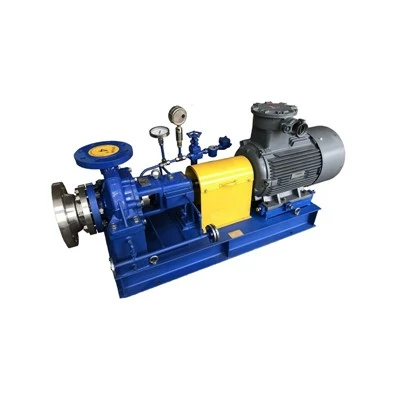
First, let’s get one thing straight: I’m not talking about “kinda slow flow” here. We’re talking about when you open the discharge valve and it’s like sipping water through a straw instead of blasting it like it’s supposed to. Diesel centrifugal pumps are built to push fluid using centrifugal force from the impeller, so if that force’s missing, pressure drops fast. Most of the issues I see fall into 5 common buckets, and 4 of ’em are things you can check yourself without calling a mechanic. Let’s start with the easiest to spot, because 60% of the low-pressure calls I deal with come back to this one.
-
Suction Side Leaks or Clogs – This is the big one. The suction side is the line that pulls fluid into the pump, right? If there’s a tiny leak (a cracked fitting, a loose clamp, even a pinhole in the hose) on that line, it’s drawing in air instead of fluid. Air’s compressible, so the pump can’t build up enough pressure to push liquid out. I remember a construction guy in Ohio who thought his pump was broken, turned out his suction hose clamp had fallen off mid-shift, and air was sneaking in nonstop. Clogs on the suction side are just as bad. Leaves, mud, small rocks—stuff that gets stuck in the suction strainer or the foot valve (that one-way valve at the end of the suction line) restricts how much fluid can get in. Last week, a local farmer had low pressure on his irrigation pump, and when we pulled the strainer, it was packed with grass clippings from a nearby ditch. Quick fix: check all suction line fittings, tighten clamps (even if they look loose), replace cracked hoses, and clean or replace the suction strainer and foot valve if they’re gunked up. Pro tip: never use a suction hose that’s longer than needed—more length = more friction, which kills pressure too.
-
Impeller Issues – The impeller is the spinning metal (or plastic, depending on the pump) thing inside the pump housing that actually pushes the fluid. If that’s damaged, broken, or clogged, pressure drops hard. Clogged impellers are super common in dirty fluid applications—like sewage or pond water. I’ve seen impellers so caked in mud and algae that they barely spin. Damaged impellers can happen if you run the pump with debris that’s too big, or if there’s cavitation (that’s when air bubbles form in the pump and then burst, eating away at the impeller over time). If the impeller’s cracked, chipped, or bent, it can’t move enough fluid to build pressure. For new pumps, this is almost always a factory defect, which is why our supplier offers a 1-year warranty on all parts—we’ve replaced a dozen impellers under warranty because they were faulty right out of the box. Fix here: pull the pump casing apart (just make sure it’s off, unplugged, and drained first—safety first, always), inspect the impeller, clean any gunk, and replace it if it’s damaged.
-
Pump Speed or Diesel Engine Issues – Your diesel engine drives the pump, right? If the engine’s revving too slow, the impeller isn’t spinning fast enough to create centrifugal force, so pressure is low. Most diesel centrifugal pumps are supposed to run at a specific RPM—usually 3600 RPM for small units, 1800 for larger ones. If the engine’s not hitting that mark, that’s your problem. Why would the engine be slow? Old fuel, a dirty air filter, a bad fuel injector, or even a slipping belt between the engine and pump (wait, no—most modern diesel pumps are direct drive, but some smaller ones use belts). I had a landscaping crew call last summer saying their pump was weak, turned out their engine had a clogged air filter from running on a dusty job site, so it couldn’t produce enough power to spin the pump at full speed. Another common issue: if you just installed a new engine or did work on the pump, maybe the drive alignment is off, so power isn’t transferring properly. Fix: check your engine’s tachometer to make sure it’s hitting the correct RPM, change the fuel and air filters if it’s been a while, and if it’s still off, call a diesel tech to check injectors or alignment.
-
Discharge Side Clogs or Restrictions – A lot of people forget the discharge line, but clogs here kill pressure just as bad as suction clogs. If the line going out of the pump has a partial blockage—like a closed valve that’s not all the way open, or a buildup of scale, mud, or debris in the pipe—there’s nowhere for the fluid to go, so pressure backs up and drops. I’ve seen guys close the discharge valve halfway “to control flow” and wonder why the pump’s not working. For example, a waste management company had low pressure on their sludge pump, and when we ran a camera down the discharge line, there was a 2-foot section of hardened sludge stuck in it, like concrete. Also, pipe size matters: if you use a discharge pipe that’s smaller than the pump’s outlet, friction goes way up, and pressure drops. Our team always reminds customers to match pipe size to the pump’s specs, not just grab whatever’s laying around. Fix: check the discharge valve is fully open, flush the discharge line to clear clogs, and make sure your pipe size matches the pump’s outlet.
-
Wear and Tear on the Pump Itself – For pumps that are 5+ years old, regular use takes a toll. The pump housing’s internal clearances can widen over time (called internal leakage), so fluid that should be pushed out leaks back into the suction side of the pump. That means less fluid gets pushed overall, so pressure is low. Seals and gaskets also wear out, leading to leaks inside or outside the pump. Another thing: if the pump’s priming system isn’t working, that’s a holdover issue. Most diesel centrifugal pumps need to be primed (filled with fluid) before they’ll work, especially if they’re lift pumps (pull fluid from below the pump). If the primer’s broken, air gets in, and you can’t build pressure. I remember a farm that used the same pump for 12 years, never did maintenance, and by the time they called, the impeller was worn, the housing had gaps, and the seal was shot—total rebuild, but we got it working again for half the cost of a new pump.
Now, let’s address the new vs. used pump angle because I get asked that all the time. If your pump’s brand new out of the box, most of the issues are either installation mistakes (suction leaks, wrong RPM, clogged lines) or factory defects. Our supplier does a pressure test on every pump before it leaves our warehouse, so if you get a new pump and it’s low on pressure right away, it’s almost never the pump itself—it’s how it’s set up. For used pumps, it’s almost always wear and tear or improper storage (if you left water in the pump over winter, it can rust the impeller or housing). I once had a guy bring in a used pump he bought online, said it was broken, and when we pulled it apart, the impeller was so rusted it disintegrated when we touched it—he’d stored it outside with water inside.
Wait, also—cavitation. I mentioned that earlier, but it’s worth expanding because it’s a silent killer. Cavitation happens when the suction line can’t deliver enough fluid to the pump fast enough, so low pressure inside the pump causes air bubbles to form. When those bubbles burst, they create tiny shock waves that damage the impeller and housing over time, which leads to permanent low pressure. You can spot cavitation by a loud, rattling noise coming from the pump—like a bag of marbles being shaken inside. If you hear that, shut the pump off immediately, check suction flow, and fix the restriction, because it’ll destroy your pump if you ignore it.
Let me throw in a few quick troubleshooting steps you can do right now, no tools needed, just to confirm what’s going on. First, disconnect the suction and discharge lines temporarily, run the pump, and see if the pressure goes up. If it does, the lines are clogged. If not, it’s an issue with the pump or engine. Second, check the engine RPM while it’s running—if it’s lower than the spec on your pump’s label, that’s your engine problem, not the pump. Third, pour a little fluid into the pump housing (prime it) and see if it builds pressure after that. If it does, you had an air leak or priming issue.
As a diesel centrifugal pump supplier, our whole thing is making sure your pump works when you need it, so we don’t just sell you a pump and ghost you. We’ve got a support team that’ll walk you through these checks over the phone, no charge, no fine print. If you’ve tried these steps and can’t figure it out, or if you need a replacement part, a pump rebuild, or a new pump that’s sized right for your job, hit us up. We don’t do pushy sales stuff—we’ve been in this industry long enough to know that a happy customer is someone who’s pump running at full pressure when they need it.
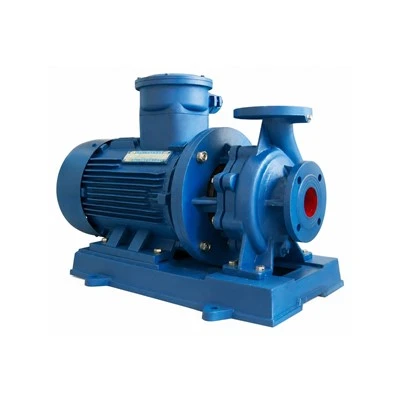
One last tip: preventative maintenance. Change the engine oil and filters every 100 hours, clean the suction strainer every 50 hours, inspect hoses and fittings for leaks monthly, and prime the pump before every use if it’s a lift pump. A little maintenance goes a long way in avoiding low pressure and costly downtime. If you’ve dealt with this issue before, drop a comment below and share your fix—we’re all here to help each other out. And if you’re shopping for a new diesel centrifugal pump, we can match you to the right size for your application, no overpaying for extra horsepower you don’t need. Just reach out, we’ll hook you up.
Sewage Pump References:
- Pump Handbook: Multiphase Flow and Cavitation in Centrifugal Pumps, 4th Edition, McGraw-Hill Education
- Diesel Engine Pump System Maintenance Guidelines, National Fluid Power Association
- Centrifugal Pump Suction and Discharge Line Sizing Standards, Hydraulic Institute
Zhejiang Kaicheng Pump Valve Co., Ltd.
Zhejiang Kaicheng Pump Valve Co., Ltd. is one of the most professional diesel centrifugal pump manufacturers and suppliers in China, also supports customized service. We warmly welcome you to buy advanced diesel centrifugal pump made in China here and get quotation from our factory. For price consultation, contact us.
Address: No.501 Zhangbao North Road, Dong ou Industrial Park, Oubei town, Yongjia, Zhejiang Province, China
E-mail: sales@cnkcmp.com
WebSite: https://www.kcmpumps.com/
