Hey everyone! Let’s cut to the chase – when someone mentions a diamond ring, most folks probably picture that sparkly thing on a partner’s finger at a proposal, right? But as someone who’s been in the diamond ring supplier game for years, I can tell you there’s way more to it than just “a rock on a band.” Let’s break it down like we chat over coffee, no stuffy textbook jargon here. Diamond Ring
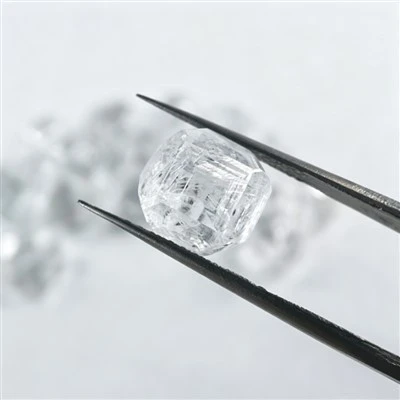
First off, what is a diamond, anyway? It’s not just some pretty shiny mineral – it’s a form of carbon, same as the graphite in your pencil, but totally rearranged under insane pressure deep in the Earth’s mantle (like, 90 to 120 miles down insane). That pressure and heat (around 2,200 to 4,500 degrees Fahrenheit) push carbon atoms into a tight, crystalline structure, which is why diamonds are the hardest natural substance on Earth – they score a 10 on the Mohs hardness scale, no other natural gem even comes close. Cool fact: diamonds get pushed up to the surface via volcanic eruptions, and most of the ones we mine are billions of years old – older than dinosaurs, way older than your grandpa.
Now, a diamond ring isn’t just the diamond part – it’s the whole package. The two main pieces? The center stone (that’s the big diamond everyone’s ooh-ing over) and the band (the metal ring it sits on, or wraps around the finger). And here’s where I see a lot of people mix things up – not all diamonds are the same, and not all rings are built for the same stuff. I’ve had customers come to me thinking a 1-carat diamond is automatically the best, but wait – carat weight is just one of the 4 Cs, right? Let’s keep that simple: Cut, Color, Clarity, Carat. That’s how we grade diamonds, and every single one affects how the ring looks, feels, and even costs.
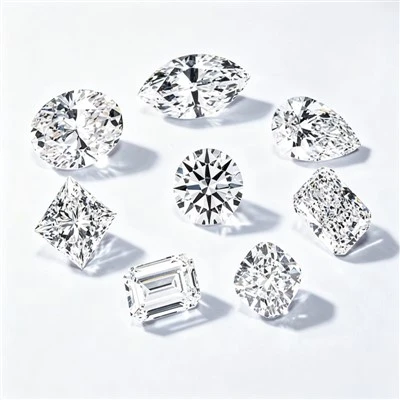
Cut’s not the shape (though shape matters too – round, princess, cushion, whatever). Cut’s about how well the diamond’s faceted (those little surfaces you see) to let light bounce through it. A good cut makes it sparkle like crazy; a bad cut makes it look dull, even if it’s a big carat. I’ve had customers ask for a super large diamond but pick a cheap cut – they’re bummed when it doesn’t shine, so we walk through that step by step. Color is how much yellow or brown is in the diamond – the rarest are totally colorless (grade D), which look super white and bright, but some people love a subtle warm tint (like K or L grade) that feels more unique, not just plain. Clarity is about tiny imperfections (inclusions) inside the diamond – almost every natural diamond has some, and most of those are too small to see with the naked eye, so you don’t need to drop big cash on a flawless one unless you’re a collector. Carat is weight, not size – two 1-carat diamonds can be totally different sizes depending on their cut.
Then there’s the band – this is the part people touch every single day, so it’s not just an afterthought. Most bands are gold (yellow, white, rose) or platinum. Gold is mixed with other metals to make it durable – 14k is 58.3% gold, 18k is 75% gold, the higher the number the softer it is, so if you’re active a lot, 14k’s a safer bet. Platinum’s heavier, more durable, and doesn’t tarnish, so it’s popular for people who want something low-maintenance. I’ve seen rings with bands that have other diamonds too – like a halo (small diamonds around the center to make it look bigger) or a pavé row along the band for extra sparkle. Those little details are what make a ring personal, not just a generic piece.
Wait, let’s talk about synthetic diamonds too, because that’s a huge part of the game now, and a lot of customers are confused. Synthetic (lab-grown) diamonds are chemically identical to natural ones – same carbon structure, same hardness, same sparkle – they just grow in a lab in a couple weeks instead of billions of years in the Earth. They’re way more affordable, which is why a lot of people go that route now. As a supplier, I don’t push one over the other – I just tell customers the facts: natural diamonds are rare, have that story, lab-grown are eco-friendlier (no mining), and you get more diamond for your money. I once had a couple who wanted a big ring but were on a tight budget, so we went with a lab-grown 2-carat center and a 14k rose gold band, and they loved it – way more sparkle than they thought they could afford.
Another thing I get asked all the time: what’s the difference between an engagement ring and a diamond right-hand ring? Oh, right-hand rings are those you give yourself or a friend for milestones – promotions, birthdays, just because – usually smaller, more casual, but still a diamond ring. Engagement rings are the one with the center stone (traditionally), and wedding bands are the matching band you exchange at the ceremony, often simple, no big stone. But let’s be real – rules are out the window now. I’ve had people use a vintage diamond ring as their engagement ring, or stack two bands for their wedding. The best diamond ring is the one that fits your life, not some outdated rulebook.
Now, let’s talk about what makes a good diamond ring from a supplier’s perspective (since that’s my lane). A lot of cheap rings you see online might have a diamond that’s been graded poorly, or a band that’s thin and will bend in a year. I’ve seen customers come back to me with bands that broke because they bought them from a no-name site, so I always emphasize quality over cost. When we supply a diamond ring, we make sure the setting (the part that holds the diamond) is tight – no loose prongs that will let the diamond fall out – and the metal is solid, not plated (plated bands wear off and turn your finger green, trust me, I’ve heard that complaint a million times). Also, certifications – every diamond should have a certificate from a reputable lab, like GIA or AGS, so you know you’re getting what you paid for. No certificates? Walk away. That’s how we do it – no cutting corners, no shady deals.
Wait, let’s throw in a quick personal story, because that’s more real. Last year, a guy came in who was stressed as hell – he’d been saving for a ring for two years, wanted something that fit his girlfriend who loved vintage stuff. He thought he had to get a big round diamond, but when we showed him a cushion-cut natural diamond, and a vintage-style platinum band, he lit up. His girlfriend cried when he proposed, and later he told us she wears it every single day, even when she’s gardening or playing with their dog. That’s the whole point, right? A diamond ring isn’t just jewelry – it’s a symbol, a memory, something you carry with you.
I’ve also had people ask about taking care of their diamond ring. It’s not as high-maintenance as you think, but you can’t just throw it in the dishwasher or leave it on the bathroom sink (I’ve gotten a few lost stones that way, ugh). Just wipe it with a soft cloth after wearing it, take it off when you do dishes or workout, and get it checked by a jeweler once a year to make sure the prongs are tight. Diamonds are tough, but the settings aren’t – they can bend, and a loose diamond can fall out without you even noticing.
Let’s wrap this up, because I know I’m rambling a bit (that’s how I chat, sorry). A diamond ring is way more than a sparkly rock on a metal band. It’s a mix of science (carbon crystals, 4 Cs, lab vs natural), personal choice (what fits your budget, style, lifestyle), and story (the proposal, the milestone, the daily moments). As a diamond ring supplier, I don’t just sell pieces – I help people find something that means something to them. Whether you’re looking for an engagement ring, a right-hand ring, or a gift for a friend, don’t stress about all the jargon – just find something that makes you smile, and is built to last.
If you’re in the market for a diamond ring, don’t hesitate to reach out and chat – we can walk through all the options, answer any questions you have, and make sure you get something that’s perfect for you. No pressure, just real talk about diamonds and rings.
Shield Cut Diamond References
- GIA (Gemological Institute of America) – Diamond Grading Standards
- Kimberley Process Certification Scheme – Diamond Industry Regulation
- American Gem Society (AGS) – Lab-Grown vs Natural Diamond Comparisons
Hongkong Jingcan Crystal Craft Limited
Hongkong Jingcan Crystal Craft Limited is one of the most experienced diamond ring manufacturers and suppliers in China. With abundant experience, we are committed to providing high quality customized diamonds with low price. Please rest assured to wholesale bulk classy diamond ring in stock here and get quotation from our factory. 3 years warranty is available.
Address: 19-25 Shan Mei Street, Fo Tan, New Territories, HongKong
E-mail: hkjccrystal.cheungkong@gmail.com
WebSite: https://www.hkjcdiamond.com/
