As a phosphate supplier, I often get asked a lot of questions from customers—whether they’re managing renal health, formulating specialized food products, or working on agricultural projects—about phosphate in everyday foods. One of the most common queries is: What vegetables are low in phosphate? It’s a question that hits close to home for me, because I’ve seen firsthand how important it is to balance phosphate levels, whether for a patient’s dietary needs or a crop’s growth requirements. Let’s break this down clearly, separating myth from fact, and make sure we’re basing everything on solid science, not assumptions. Phosphate
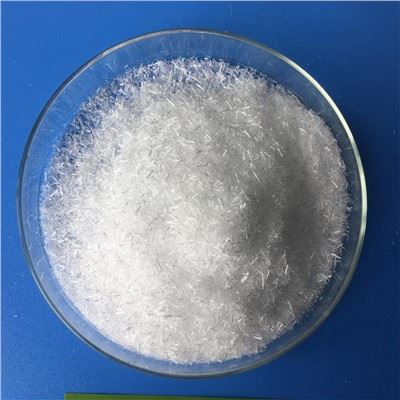
First, a quick refresher on phosphate: it’s a mineral that’s essential for human bodies—we need it for strong bones, cell repair, and energy production. But for people with chronic kidney disease (CKD), who can’t filter excess phosphate from their blood, too much of it can lead to serious issues like heart problems or bone damage. For farmers, phosphate is a key fertilizer nutrient; the trick is making sure crops get the right amount, not too much or too little. So when we talk about low-phosphate vegetables, we’re usually referring to those that have naturally low levels of bioavailable phosphate—the kind the body actually absorbs, or for agricultural use, the kind that roots can take up easily without overloading the soil.
Let’s start with vegetables that are naturally low in bioavailable phosphate, perfect for someone managing CKD. I’ve seen a lot of people get confused here, thinking all leafy greens are high in phosphate, but that’s not true. Take white mushrooms, for example. A 1-cup serving of raw white mushrooms has only about 80 mg of phosphate, and because their cell structure makes the phosphate less absorbable by the human body, that’s even lower when it comes to bioavailable levels. That’s a go-to for many of my customers who are patients working with their dietitians. Then there’s cabbage. Both green and Napa cabbage are great: 1 cup of shredded raw green cabbage has just 36 mg of phosphate, and it’s also high in fiber and vitamin C, so it’s a nutrient-dense choice without the phosphate load.
Another one that surprises people is cauliflower. A cup of chopped raw cauliflower has about 44 mg of phosphate, which is way lower than many other veggies I’ve looked at. I remember a few years back, a dietitian reached out to me because her patient was tired of the same old low-phosphate foods, and we talked about swapping rice for riced cauliflower— that’s a simple switch that doesn’t add phosphate, which made a big difference for her. Brussels sprouts? Wait, I used to think they were higher, but a ½ cup of cooked Brussels sprouts only has about 50 mg of phosphate. It’s a small portion, but if someone pairs them with other low-phosphate foods, they can still enjoy them without issues.
Don’t sleep on onions and garlic, either. A medium onion has just 32 mg of phosphate, and garlic is even lower—one clove has about 12 mg. These are staple ingredients in so many dishes, so they’re easy to incorporate without worrying about phosphate levels. For people who like to cook, adding garlic and onion to stir-fries or roasted veggies is a simple way to boost flavor without the extra phosphate that comes from things like processed sauces or cheeses.
Now, let’s talk about what makes a vegetable low in phosphate from an agricultural perspective, since that’s another big part of my work as a phosphate supplier. Farmers often ask which vegetables don’t require as much phosphate fertilizer, either because they have a low demand for the nutrient or because they can access it efficiently from the soil. Root vegetables like carrots and turnips fall into this category, to an extent. Carrots are heavy on beta-carotene, but their phosphate uptake is relatively low, so they don’t need as much fertilizer as crops like corn or wheat. Spinach, which I mentioned earlier, is often thought of as high in phosphate for humans, but for soil purposes, it’s a moderate user—meaning it needs phosphate, but not nearly as much as leafy greens like kale or collards.
I should also clarify a common misconception: “low phosphate” doesn’t mean phosphate-free. Even the lowest-phosphate vegetables have trace amounts, which is totally fine for most people. The key is moderation, especially for those with kidney issues. I’ve had customers tell me they avoid all vegetables because they’re worried, but that’s not necessary—most vegetables have enough other nutrients that cutting them out entirely can lead to deficiencies. It’s about knowing which to prioritize, and in what portions.
Let’s get into the science a bit more, because I know a lot of my clients, whether dietitians or farmers, want to understand the why behind these numbers. Phosphate in food comes in two forms: organic and inorganic. Organic phosphate is bound to plant cells, so the human body absorbs only about 40-60% of it, whereas inorganic phosphate (found in processed foods and some additives) is absorbed up to 90%. That’s why even if a vegetable has a certain amount of total phosphate, the bioavailable part is lower—so it’s easier on the body for people who need to limit it. For plants, phosphate availability depends on soil pH: if the soil is too acidic or too alkaline, the phosphate becomes locked up and plants can’t take it in, so farmers have to adjust fertilization to make sure it’s accessible.
I’ve worked with a lot of small-scale farmers who are looking to grow vegetables that are low in phosphate demand, because it cuts down on input costs and is better for soil health. For example, cucumbers. Cucumbers have a relatively low phosphate requirement, especially when they’re grown in well-drained soil. A survey I saw a few years back from the Food and Agriculture Organization (FAO) noted that cucumbers only need about 20-30 kg of phosphate per hectare, compared to tomatoes, which need around 50-60 kg. That’s a big difference for farmers looking to reduce their environmental footprint, too—too much phosphate fertilizer can run off into waterways and cause algal blooms, so growing low-phosphate vegetables is a win-win for farmers and the planet.
Another point I get asked a lot: what about frozen vs. fresh vegetables? From a phosphate standpoint, there’s not a huge difference. Freezing doesn’t significantly alter the phosphate content, as long as there are no added sauces or preservatives. A cup of frozen, no-sauce cauliflower has about the same phosphate as fresh, which is great for people who want the convenience of frozen veggies without the extra phosphate from processed add-ons. That’s something I remind customers when they’re shopping—always check the ingredient label on frozen veggies, because some have added seasonings that might include phosphate additives, which are bad for people with CKD.
I’ve also had the chance to work with renal dietitians over the years, and one thing they always emphasize is variety. There are so many low-phosphate vegetables that people don’t know about, like bell peppers. A medium green bell pepper has just 10 mg of phosphate, and it’s packed with vitamin C and vitamin A. Red bell peppers are a bit higher, but still only around 15 mg—perfect for adding to salads, stir-fries, or even snacking on raw. That’s a super easy way for people to add color and nutrients to their diet without worrying about phosphate levels.
Now, let’s address the flip side, just to be clear—some vegetables are higher in phosphate, so it’s good to know which ones to limit. But since our topic is low-phosphate, I’ll keep it brief: things like spinach, kale, collard greens, and Brussels sprouts are moderate to high, so they should be eaten in smaller portions for people with CKD. But that doesn’t mean they’re bad—just that they need to be balanced with lower-phosphate foods. For farmers, these high-phosphate vegetables are still important, but they do need more fertilizer, so that’s a consideration when planning crop rotations.
As a phosphate supplier, my job isn’t just to sell products—it’s to help my customers make informed decisions, whether they’re taking care of their health or growing healthy crops. I’ve seen too many people with CKD struggle with the idea of giving up favorite foods, and working with low-phosphate vegetables makes that possible. I’ve also seen farmers over-apply phosphate fertilizer, leading to wasted money and environmental harm, so recommending low-demand vegetables helps them operate more sustainably.
If you’re someone managing a renal diet, or a farmer looking to adjust your crop plan, the best way to get personalized advice is to reach out. For individuals, a dietitian can help create a meal plan that fits your specific needs, incorporating low-phosphate vegetables that you enjoy. For farmers, I can work with you to develop a fertilization plan that’s tailored to your soil and crops, whether you’re growing low-phosphate-demand vegetables or higher-phosphate ones that need specific nutrient management. Don’t guess—get the right information to make choices that work for you.

For anyone looking to learn more, you can review resources from reputable organizations like the National Kidney Foundation, or agricultural extension services that offer guidance on crop nutrient needs. But if you have specific questions about low-phosphate vegetables for your needs, I’m here to help. Contact our team to discuss your requirements and find the right solutions for you.
Magnesium Acetate References
- National Kidney Foundation. (2023). Dietary Phosphorus Guide for People with Kidney Disease.
- Food and Agriculture Organization of the United Nations. (2022). Crop Nutrient Requirements for Vegetable Production.
- Institute of Medicine. (2011). Dietary Reference Intakes for Calcium and Phosphorus.
- American Dietetic Association. (2020. Position Paper: Dietary Management of Chronic Kidney Disease).
- USDA FoodData Central. (2024). Nutrient Content of Vegetables (Phosphorus Levels).
Jiangsu Kolod Food Ingredients Co., Ltd.
As one of the most professional phosphate manufacturers and suppliers in China, we’re featured by quality products and good price. Please rest assured to wholesale bulk phosphate made in China here and get free sample from our factory. Customized orders are welcome.
Address: South Side of Weier Road, Guanyun Development Zone, Lianyungang City, Jiangsu Province, China
E-mail: sales1399@jskolod.com
WebSite: https://www.kolod-group.com/
