If you’ve ever stood in front of a construction site, a farming operation, or a manufacturing plant watching hoses carry water, chemicals, or heavy materials without kinking, bursting, or wearing down, chances are you were looking at a heavy duty PVC hose. As a PVC hose supplier, I get asked this question all the time—especially when someone’s tired of cheap hoses that fall apart after a few uses, leaving them with downtime, extra costs, and a mess to clean up. Let’s break this down, no industry jargon, just straight talk about what makes these hoses different, why they matter, and why you’d need one instead of the flimsy stuff from the big box store. PVC Hose
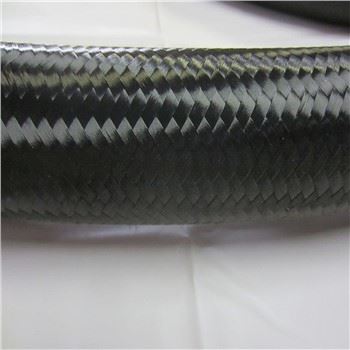
First, let’s start with the basics: PVC, or polyvinyl chloride, is a synthetic plastic polymer that’s been around for more than a century, but it’s not the same thin, flimsy PVC you see in a garden hose that cracks after a winter. A heavy duty PVC hose is a reinforced or thermally stabilized version of that material, designed to handle far more stress than standard hoses. The key difference is the reinforcement—most of the reliable ones I sell to farmers, construction crews, and food processing facilities have a internal mesh of polyester, nylon, or sometimes steel wire woven into the PVC walls. That mesh isn’t just a fancy add-on; it’s what keeps the hose from collapsing under vacuum when you’re siphoning water from a low pool, or bursting when the water pressure spikes after turning on a tap full blast.
Heavy duty PVC hoses also get their strength from how they’re formulated. Unlike cheap hoses that use cheap fillers to cut costs, a proper heavy duty version uses high-grade PVC resin, stabilizers to resist UV rays (critical for outdoor use), and plasticizers that balance flexibility with durability. I’ve seen too many customers come to me with hoses that got brittle after a few months in the sun—those were made with cheap stabilizers that break down in sunlight. The heavy duty stuff I supply is UV-resistant, so it can sit outside for months without turning yellow or cracking.
Now, what are these hoses actually used for? That’s where people often misunderstand “heavy duty.” It’s not just for moving water. Let’s go through the common applications I see every week: Farming and agriculture is the biggest one. Farmers use these hoses for irrigation, moving fertilizer solutions, and even pumping out livestock waste. A lightweight hose would kink when dragged across a field, get punctured by rocks, or leach chemicals into fertilizer—something that can ruin a crop or hurt animals. Heavy duty PVC hoses are resistant to many agricultural chemicals, so they don’t break down when they’re carrying those solutions, and their thick walls resist punctures from thorns or rough farm equipment.
Then there’s construction. On a job site, you’re dealing with high water pressure, debris, and frequent movement. A heavy duty PVC hose is used for dewatering foundation pits, washing concrete forms, and even spraying concrete sealant. The reinforcement in these hoses means they can handle pressure up to 300 PSI (pounds per square inch) or more, depending on the model—way more than the average garden hose, which is usually around 100 PSI. I’ve had a construction foreman tell me that a heavy duty PVC hose he bought from me saved his crew two days of work because it didn’t burst halfway through pouring a foundation, which meant no waiting for a replacement.
Food and beverage processing is another big area, and this is where the quality control of a heavy duty PVC hose matters most. These hoses need to be FDA-approved, meaning they don’t leach harmful chemicals into food or drinks. A lot of cheap PVC hoses aren’t formulated for food contact, so they can leave a weird taste in water or even contaminate products. The heavy duty versions I supply for this use are made with food-grade PVC, so they’re safe for transferring drinking water, juice, or even liquid food ingredients. They’re also easy to clean, which is non-negotiable in food plants—no crevices for bacteria to grow, unlike some rubber hoses.
Industrial use covers everything from moving chemicals to dust collection. Heavy duty PVC hoses can be formulated to resist oils, acids, and other corrosive materials, depending on the application. For example, a chemical plant might use a heavy duty PVC hose to transfer mild acids, while a woodworking shop uses a flexible version to suck up sawdust. The flexibility is another big plus—unlike rigid pipes, these hoses can bend around corners and move with equipment, which saves time on any job.
Now, let’s talk about what makes a heavy duty PVC hose different from a regular “heavy duty” hose that’s not actually PVC. A lot of brands label their hoses “heavy duty” just to charge more, but if it’s not PVC, it might not stand up to the job. For example, rubber hoses are durable, but they’re heavier, more expensive, and can break down in sunlight faster than PVC. PVC is also more resistant to abrasion than rubber in many cases, and it’s lighter, which makes it easier to drag across a job site or field. That balance of strength, weight, and cost is why PVC is the go-to for heavy duty applications.
I also get asked about lifespan. How long does a heavy duty PVC hose last? It depends on use, but a good one can last 5 to 10 years with proper care. That’s way longer than the cheap hoses that need replacing every year or two. Proper care means storing it in a cool, dry place out of sunlight, not dragging it sharp rocks or equipment, and draining it after use to prevent water from sitting inside and causing mold. I always give my customers a free care guide when they buy from me, because even the best hose won’t last if you mistreat it.
Now, why would someone choose a heavy duty PVC hose over other types? Let’s do a quick comparison. EPDM rubber hoses are great for high heat, but they’re more expensive, heavier, and less resistant to certain chemicals. Polyurethane hoses are super tough, but they’re also pricier and more likely to get scratched if you’re moving them over rough surfaces. PVC hits that sweet spot: it’s durable, resistant to UV and abrasion, flexible, and cost-effective. That’s why my customers come back to me time and time again, whether they’re a small farmer with a few acres or a large construction company managing multiple job sites.
But it’s not all perfect. There are limitations to heavy duty PVC hoses. They’re not designed for extreme temperatures—if you’re working in temperatures below freezing, they can get stiff and crack, so you’d want a cold-resistant version. If you’re moving very hot liquids, above 140 degrees Fahrenheit, PVC can soften, so you’d need a heat-stabilized option. And while they resist many chemicals, they’re not right for strong acids or solvents like gasoline, which would break down the PVC over time. That’s why I always ask customers about their specific use case before I recommend a hose—one size doesn’t fit all, even when it’s heavy duty.
As a PVC hose supplier, I’ve seen the difference the right hose makes. Last year, a small-scale vegetable farmer came to me frustrated because he’d gone through three hoses in one irrigation season. The cheap hoses he was buying would kink, leak, and crack, and he was losing thousands of gallons of water, plus time replacing them. I sold him a heavy duty, UV-resistant, reinforced PVC hose made for agriculture, and a year later he sent me a message saying it’s still working perfectly, saving him both water and money. That’s the kind of result that makes my job worth it.
Another customer was a food processing plant that needed a hose to transfer apple juice concentrate. They’d been using a rubber hose that kept leaving a rubber taste in the juice, so they switched to a food-grade heavy duty PVC hose from me. Now their juice is safe, and they don’t have to clean the hose as often because it doesn’t stick to the juice residue like rubber does. It’s small wins like that that add up for businesses.
So, to wrap this up: a heavy duty PVC hose is a reinforced, chemically stabilized PVC hose designed to handle high pressure, abrasion, UV exposure, and harsh conditions better than standard hoses. It’s not just a thicker garden hose—it’s engineered for specific industries and applications, with formulations tailored to resist chemicals, food contact, or extreme weather, depending on what you need. It’s cost-effective, flexible, and long-lasting, which is why it’s the top choice for farmers, construction crews, and food and industrial operations.
If you’re tired of replacing flimsy hoses, dealing with leaks mid-job, or paying extra for hoses that don’t do the job, let’s talk. I can help you find the right heavy duty PVC hose for your specific needs, whether you’re irrigating crops, moving materials on a job site, or handling food or chemicals. Don’t waste another season or project on hoses that can’t keep up—reach out today to discuss your requirements and find the solution that fits.
Textile Braid Hydraulic Hose References
- "Polyvinyl Chloride (PVC) Properties and Applications," Plastics Technology Association, 2022.
- "Heavy-Duty Hose Selection Guide," Industrial Hose Manufacturers Association, 2021.
- "UV Stability of PVC Materials for Outdoor Applications," Journal of Applied Polymer Science, Vol. 138, No. 12, 2021.
- "Food-Grade PVC Hose Standards," FDA Center for Food Safety and Applied Nutrition, 2020.
Hebei Qianli Rubber Products Co., Ltd.
As one of the most professional pvc hose manufacturers and suppliers in China, we have world-leading production equipment and strong manufacturing capabilities. Please feel free to buy bulk durable pvc hose made in China here from our factory.
Address: West industrial Zone, Jing County, Hengshui City, Hebei Province, China.
E-mail: manager@hebeiqianli.com
WebSite: https://www.qianlirubber.com/
