If you’re a homeowner, facilities manager, or even a contractor working on a residential or commercial project, you’ve probably glanced at a cable distribution box at some point—usually tucked neatly on a utility pole, buried a few feet in a sidewalk trench, or mounted low on the side of a building. But beyond its basic job of splitting, routing, and protecting broadband, coaxial, or fiber-optic cables, this small piece of infrastructure is bound by strict local rules that most people don’t stop to question. As a cable distribution box supplier, I’ve spent thousands of hours walking new construction sites, troubleshooting code violations, and answering phone calls from customers asking, “Wait, what are the regulations for cable distribution boxes in my area?” Today, I’m breaking down the most common rules I see across North America (and a few key ones globally) to clear up confusion and help anyone working with these boxes get it right the first time. Cable Distribution Box
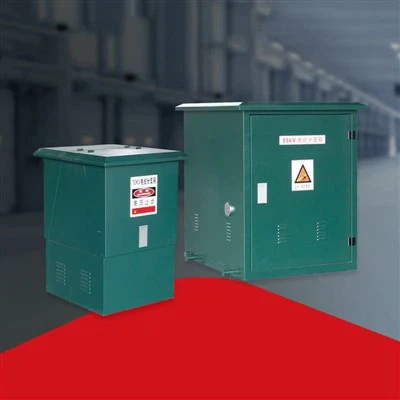
First, let’s start with the foundation: zoning and right-of-way rules. This is where I see the most mistakes, especially from smaller contractors or DIYers who assume any box works as long as it fits. Right-of-way (ROW) rules, which govern public land like sidewalks, streets, and utility easements, vary wildly but follow a core set of federal guidelines in the U.S.—from the Federal Communications Commission (FCC) and Department of Transportation (DOT)—that most local governments mirror. For example, in the Pacific Northwest, Seattle’s Public Utilities Department requires all above-ground cable distribution boxes in ROW to be mounted a minimum of 12 feet above the sidewalk to avoid interfering with pedestrians, strollers, and delivery vehicles. Why 12 feet? It’s not arbitrary: that height clears most adult heads and standard delivery truck awnings, preventing damage to the box (and avoiding liability if a low-hanging box gets knocked loose). In contrast, New York City’s Department of Transportation (NYCDOT) sets a lower threshold for sidewalk-mounted boxes at 8 feet, but adds a rule that no box can block accessible ramps, fire hydrants, or crosswalk stripes—even if it fits the height requirement. That’s a mistake I’ve helped clients fix more times than I can count: putting a box at the edge of a crosswalk because it’s easier, only to get a $500 fine from the city a week later.
For boxes buried underground or placed in vaults, the rules shift, but they’re no less strict. Most U.S. cities require any cable distribution box in a utility easement to be marked with yellow paint or stakes to alert utility workers during digging—part of the 811 “Call Before You Dig” program, which I’m legally required to remind all my customers about. In Canada, Transportation Canada’s National Building Code sets a standard depth for underground boxes of at least 18 inches in residential areas and 24 inches in commercial zones, to protect them from being damaged by lawnmowers, plows, or construction vehicles. I recently had a residential customer in Toronto install a box only 12 inches deep in their front yard, and their city’s bylaw officer made them dig it up and reset it—because the local code specifically calls out that shallow boxes risk being hit by snowplows in the winter. That’s not just a nuisance for the customer; it’s a delay in their internet service, too, because the cable company had to come back to re-connect everything once the box was properly placed.
Next, there’s the material and durability standards, which tie directly to weather resistance and long-term performance. This is where my expertise as a supplier really comes in—because I don’t just sell boxes; I make sure they meet the specs that local inspectors will actually sign off on. For example, in the Southeast U.S., where hurricanes and extreme humidity are common, Florida’s Public Service Commission requires all above-ground cable distribution boxes to be made of UV-stabilized high-density polyethylene (HDPE) rated for at least 10,000 hours of sunlight exposure. Cheap, flimsy plastic boxes that don’t meet this standard will crack, fade, and fail within a year—worse, they’ll fail a building inspection, leaving a project on hold. In the Midwest, where temperatures swing from 100°F in the summer to -20°F in the winter, states like Illinois require boxes to be impact-resistant and able to withstand extreme temperature fluctuations without warping. I once worked with a contractor in Chicago who bought a box from a big-box store that warped after the first cold snap; they had to replace all 24 boxes on a 5-story apartment building, costing them twice as much as if they’d gone with my stock of cold-weather-rated boxes. That’s why checking local material specs isn’t just about compliance—it’s about saving time and money down the line.
Then there are electrical and safety regulations, which are non-negotiable because cable distribution boxes carry live wires that feed internet, TV, and phone service. The FCC’s Part 68 rules, which apply nationwide in the U.S., set standards for how boxes are grounded to prevent electrical shock and interference with other utilities. For example, any box mounted near power lines must have a separate grounding wire connected to a local ground rod, per Part 68’s guidelines. I’ve seen boxes installed without proper grounding in suburban Ohio that caused minor electrical surges in nearby homes, leading to complaints to the state’s Public Utilities Commission. In the EU, the European Telecommunications Standards Institute (ETSI) sets similar rules, but adds a requirement that all above-ground boxes be locked to prevent tampering by children or unauthorized workers—another rule I see missed all the time. A few years back, a small European city fined a cable company 1,000 euros because a 10-year-old had climbed on an unlocked box and pulled out a cable, causing a neighborhood-wide internet outage. Locking boxes isn’t just a courtesy; it’s a legal requirement in most places.
It’s also important to note that rules can change even within a single area—especially for new construction or historic districts. For example, in Austin, Texas, new single-family homes built after 2022 are required to have cable distribution boxes mounted on the side of the house instead of utility poles, to reduce visual clutter along neighborhood streets. But in Austin’s historic downtown district, all boxes must be painted to match the building’s exterior or the surrounding architecture—no bright gray boxes allowed. I recently worked with a developer in Austin who tried to install standard gray boxes in a historic neighborhood, and their city’s historic preservation commission rejected the request. We ended up providing custom-painted boxes that matched the brick of the adjacent row houses, and the project got approved in a week. That’s a big difference from a standard box, but it’s the kind of local-specific regulation that most suppliers don’t mention unless you ask.
Now, you might be wondering: how do you actually find out the specific rules for your area? It’s not as simple as Googling “cable distribution box regulations” and picking the first result. Here’s what I tell all my customers: start with your local building department or utility company. Most cities have a public website with a “right-of-way” or “utility installation” section that lists exact specs—required height, material, even color. For example, Los Angeles’ Department of Public Works has a downloadable guide that lists all cable box requirements, including a rule that boxes can’t be placed within 5 feet of a fire hydrant. If you’re working on a commercial project, your utility provider might also have a set of private guidelines that are stricter than city rules—for example, AT&T requires all its boxes to have a specific lock type, even if the city’s rules don’t mandate it.
As a supplier, I’m not just here to sell you a box. I’ve been in this industry for over 12 years, and I’ve seen too many projects get delayed because someone didn’t check the local rules first. A few months back, a small internet service provider (ISP) in rural Ohio ordered 50 boxes from a national supplier, but they were designed for coastal areas and didn’t meet Ohio’s cold-weather impact standards. They had to re-order at the last minute, which cost them $2,000 in expedited shipping and made them wait 3 weeks to launch their new service. That’s a avoidable mistake—all they had to do was talk to someone who knows the local rules.
I also want to address a common myth: that all cable distribution boxes are the same. They’re not. A box designed for a dense urban area with strict ROW rules won’t work for a rural area where there’s more space and different weather. A fiber-optic box, which is larger and carries higher voltage, has different regulations than a coaxial cable box. That’s why when you’re purchasing, you need to specify your location and the type of box you need—whether it’s buried, above-ground, for residential or commercial use. I always tell customers: “Tell me where you’re installing it, and I’ll tell you exactly what you need to stay compliant.”
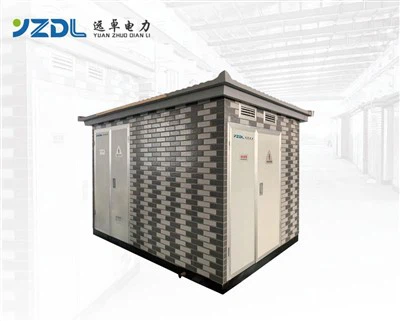
If you’re still confused about what regulations apply to your project, the best next step is to reach out. I’ve helped hundreds of contractors, ISPs, and homeowners navigate local rules, from small towns in the U.S. to cities in Canada and the EU. I don’t just sell product—I provide guidance to make sure your installation goes smoothly, no fines, no delays. Whether you’re replacing an old box, installing a new one for a development, or just want to make sure your existing setup is up to code, I’m here to help.
Switchgear References
- Federal Communications Commission (FCC). (2023). Part 68: Telecommunications Terminal Equipment.
- National Fire Protection Association (NFPA). (2022). National Electrical Code (NEC) Article 830: Community Antenna Television and Radio Distribution Systems.
- Transportation Canada. (2021). National Building Code of Canada, Division B, Section 18: Utility Services and Equipment.
- European Telecommunications Standards Institute (ETSI). (2022). ETSI EN 300 019: Environmental Engineering (EE).
- City of Seattle Public Utilities. (2024). Right-of-Way Installation Guidelines for Telecommunications Infrastructure.
Yuanzhuo Electrical Equipment (Jiangsu) Co., Ltd.
We’re well-known as one of the leading cable distribution box manufacturers and suppliers in China. We warmly welcome you to wholesale high quality cable distribution box at competitive price from our factory. If you have any enquiry about cooperation, please feel free to email us.
Address: Group 8, Chengdong Village, Fucheng Sub-district Office, Funing County
E-mail: markcheng1358@126.com
WebSite: https://www.yzdlchina.com/
