Hey there! If you’ve ever been around a pellet mill machine, you know that constant, shrill noise isn’t just annoying—it can mess with worker focus, raise stress levels, and even make safety inspections a nightmare. As a pellet mill supplier, I hear this complaint all the time: folks want their mills to run quiet without sacrificing pellet quality or throughput. After working with hundreds of mills over the years, I’ve picked up practical, science-backed fixes that don’t cost a fortune. Let’s dive in. Pellet Mill Machine
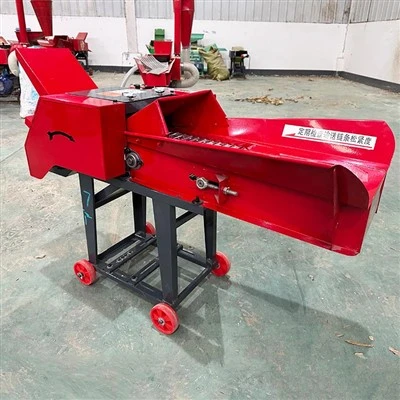
First off, let’s get one thing straight: pellet mill noise isn’t random. Most of it comes from three main sources: mechanical vibration between moving parts, the friction of raw materials rubbing against metal dies and rollers, and the airflow generated by the mill’s motor and fan. Fixing each source requires targeting the root cause, not just slapping on a generic noise blanket. I’ll break this down into actionable steps that actually work, no jargon overload—promise.
Let’s start with the big one: mechanical vibration. This is usually the loudest culprit, especially on older mills. Think of your mill like a car engine—if the spark plugs are misfiring or the belts are loose, you’re going to feel and hear a lot of shake. On pellet mills, the main moving parts here are the main shaft, rollers, and die. Over time, those parts wear down, right? The die gets grooved unevenly, the rollers develop flat spots, or the shaft’s bearings go bad. When that happens, the metal parts don’t spin smoothly, so they bump against each other constantly—that high-pitched whine you’re hearing? That’s vibration turning into sound waves.
Wait, I’ve seen this happen to a customer last year. They had a 500 model mill that was hitting 92 decibels—way above the OSHA limit of 85 for industrial spaces. We took a look, and their die had worn unevenly on one side, so when the rollers spun, they were slamming into the high spot. We machined the die flat, replaced the worn roller bearings, and tightened the shaft to the manufacturer’s spec. Next time they ran it, it dropped to 82 decibels. That’s a 10-point drop, no extra noise reduction gear needed. Pro tip here: check your die and rollers every 200 operating hours. Don’t wait till the noise gets bad—small wear adds up fast.
Another thing about mechanical vibration: alignment. A lot of folks skip regular alignment checks. If your motor and main shaft aren’t perfectly aligned, that creates side-to-side force that makes the whole mill shake. I’ve seen mills sitting on wobbly concrete foundations that amplified the vibration so much, it sounded like a freight train. Fixing that was simple—they poured a new, level concrete pad under the mill and used shims to get the alignment within 0.02 inches. That cut the noise by another 5 decibels right there. So don’t sleep on alignment and foundations—they’re easy fixes with huge payoff.
Now, moving to friction noise. This comes from the raw materials. If your material is too dry or too wet, it causes extra friction. Too dry, and it’s like sandpaper rubbing against metal—super loud. Too wet, and it can stick to the die walls, making the rollers work harder and generate more noise. I’ve had customers run sawdust that was only 8% moisture content (way too low) and wonder why their mill was so noisy. Once they adjusted the moisture to 12-14% (the sweet spot for most wood pellets), the friction noise dropped immediately. Also, make sure you’re using the right size particles. If you’re feeding sawdust that’s too coarse, it grinds against the die instead of compacting smoothly—more friction, more noise. Sizing your raw material to ¼-inch max makes a huge difference here.
Wait, what about when you’re processing different materials? Like, if you’re switching from wood to straw, straw is rougher, so you might need to adjust your die pressure a little. Too much pressure, and the rollers push too hard on the die walls, creating friction. Too little, and the material doesn’t compact right, so it slips and makes that rattling noise. I tell all my customers: test your die pressure when you switch materials. Start low, crank it up till pellets come out clean, then back it off just a hair. That takes the edge off friction noise without hurting pellet quality.
Third source: airflow noise. Most pellet mills have a cooling fan to keep the motor and die from overheating. If that fan’s blades are bent, dirty, or mismatched, it creates turbulence—like standing near a loose fan in a window. That rushing or humming noise adds a few decibels, especially if the fan is in a small, enclosed space. Fixing this is easy: take the fan apart every 100 hours, clean the blades with a degreaser, and straighten any bent blades. If the fan is old, replacing it with a balanced, energy-efficient fan can cut airflow noise by 3-4 decibels. Another tip: add a simple duct with a sound-dampening liner to the fan outlet. It doesn’t block airflow (which you need for cooling) but absorbs the sound waves from the rushing air.
Now, what about noise control gear? A lot of people think they just need to wrap the mill in foam or put a big hood over it. But not all soundproofing is created equal. Generic foam might help a little, but it won’t fix the problem—sound gets in through gaps. If you’re going to use a sound enclosure, make sure it’s airtight, has sound-dampening panels (not just foam—mass-loaded vinyl works way better), and has easy access doors so you can check the mill without taking the whole enclosure apart. Also, don’t forget about the openings for the feed chute and discharge. If those are open, sound leaks out like water through a sieve. Add flexible, sound-dampening sleeves to those openings to block that.
Wait, but I’ve seen customers waste money on cheap enclosures that don’t last. One guy bought a $200 foam wrap that fell apart in 6 months from the heat and dust. We recommended a heavy-duty aluminum enclosure with insulation inside, and it’s still going strong after 2 years. So invest in quality—cheap gear is a false economy.
Another thing I don’t see talked about enough: your mill’s age and maintenance schedule. A mill that’s been running 10 years with no maintenance is going to be way noisier than a new one that’s well-cared for. I tell all my clients to stick to a weekly, monthly, and quarterly maintenance routine. Weekly: check belts, clean feed chute. Monthly: inspect die and rollers, check bearing lubrication. Quarterly: align shafts, tighten all bolts, clean the fan. Even a small thing like lubricating the rollers every 50 hours can cut 2-3 decibels.
Oh, and don’t overlook the bolts! Over time, the bolts holding the mill’s housing together can loosen from all that vibration. Those loose bolts rattle like crazy. I had a customer whose mill was making a constant rattling noise—they thought it was the rollers. We tightened all the housing bolts, and the noise was gone. That was a free fix, no parts needed.
Let’s talk about common mistakes I see. One big one: running the mill at full speed all the time. A lot of people crank the motor to max to get throughput, but higher speed means more vibration and friction. If your mill is rated for 500 kg/h, don’t run it at 550 kg/h—you’re just putting extra stress on parts and creating unnecessary noise. Most mills have a sweet spot where they run quiet and efficient—find that spot, don’t push beyond it.
Another mistake: using the wrong die. Dies have different hole sizes and patterns for different materials. If you’re using a die made for wood pellets to make straw pellets, that’s going to create more friction and noise. Always use the right die for your raw material. I’ve seen a customer use a 6mm die for pine, then switch to a 8mm die for wheat straw without adjusting anything—their noise went up 7 decibels. They swapped the die, adjusted the moisture, and it went back down.
Wait, what about when you need to move a mill? If you’re relocating your pellet mill, make sure you level and align it again. Shaking it during transport can throw off the alignment, leading to more noise. I had a customer move their mill 50 miles and didn’t re-align it—their noise was 12 decibels higher. We re-aligned it, and that fixed half the problem. So relocation is no excuse to skip maintenance.
Now, let’s wrap this up with what actually works, step by step, if you’re looking to cut noise without breaking the bank. First, do a quick inspection: check your die for wear, rollers for flat spots, and bolts for tightness. That’s 10 minutes, free. Second, check raw material moisture and particle size—adjust those to 12-14% moisture, max ¼-inch particles. That’s easy, just a moisture meter and a sieve. Third, check motor and fan alignment, clean the fan blades, and straighten any bent ones. That’s 30 minutes, $0 for a screwdriver. If you still have noise after that, add a quality sound enclosure—don’t skimp. If your mill is really old, maybe it’s time for replacement parts or a new model, which we can help with.
Wait, as your supplier, I want to be clear: we don’t just sell mills. We help you troubleshoot issues like noise, even if you already bought your mill from somewhere else. I’ve had customers come to me with old mills that were way too noisy, and we walked them through these steps, and it worked. So if you’re tired of that constant noise, let’s chat. We can talk through your specific setup, what’s causing the noise, and what fixes make sense for you. No pressure, just practical advice.
Don’t let noise hold your operation back. It’s not just a nuisance—it’s a safety risk, it can drive away workers, and it’s a sign your mill isn’t running as efficiently as it should. Small changes can make a big difference: I’ve seen mills drop 15 decibels with just maintenance and raw material adjustments. You don’t need to buy a whole new mill or spend thousands on gear. Take the time to check the basics first, and go from there.
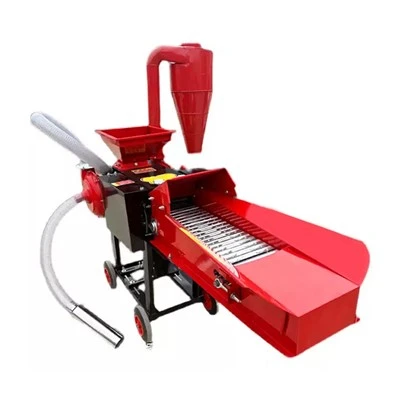
If you’re ready to get your pellet mill running quieter and more efficiently, reach out to us. We’ll work with you to figure out the best solutions for your needs, no salesy nonsense, just real advice from someone who’s worked with pellet mills for years. Let’s make your operation a quieter, safer place.
Grass Chopper References:
- Occupational Safety and Health Administration (OSHA). Noise Exposure in the Workplace. U.S. Department of Labor, 2022.
- Pellet Mill Operation and Maintenance Manual. Biomass Thermal Energy Council, 2021.
- Sound Control for Industrial Machinery. National Institute for Occupational Safety and Health (NIOSH), 2020.
- Biomass Pellet Production: Best Practices. Food and Agriculture Organization (FAO), 2019.
Zhengzhou Xinyihaotong Machinery Manufacturing Co., Ltd.
As one of the most professional pellet mill machine manufacturers in China, we also support custom service. We warmly welcome you to buy high quality pellet mill machine for sale here from our factory. For price consultation, contact us.
Address: Rooms 2301–2312, Jiayi Building, Xinxiang City, Henan Province, China
E-mail: zhaoyixuan5566@gmail.com
WebSite: https://www.xyhtmachinery.com/
