Hey there, if you’ve ever stared at a steamy bathroom wall covered in that old, peely wallpaper and thought, “I wish something wouldn’t turn into a hot mess in here,” you’ve probably asked yourself: Is decorative film actually resistant to steam? As a decorative film supplier who gets this question at least once a week—from DIYers ripping out granny’s linoleum-adjacent walls to contractors renovating 10+ rental properties—I’ve got real answers, not the sales fluff you might find on a random product page. Let’s break this down like we’re chatting over a coffee (extra hot, no steam, thanks). Decorative Film
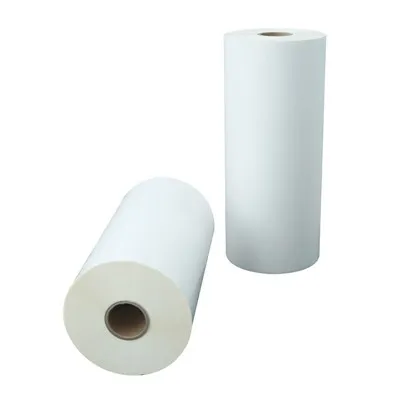
First off, let’s not pretend all decorative film is the same. I’ve seen customers grab the cheapest rolls from a big-box hardware store, slap ‘em on a bathroom wall, and then come crying a week later because it bubbled up like a bad science project. That’s not the film being bad—it’s them not checking the specs, and me not spelling it out clearly enough before. So let’s start with what makes a decorative film actually steam-resistant, because that’s the core of this whole thing.
Steam isn’t just hot water—it’s tiny, pressurized water molecules that sneak into every gap, crevice, and even the tiniest micro-scratch in a surface. For decorative film to hold up, it needs two main things: a really durable outer layer and a solid adhesive that doesn’t break down when exposed to moisture and heat. The good stuff (the kind we supply) uses a top layer of either PVC or Polypropylene, depending on the line. Wait, PVC gets a bad rap sometimes, but for decorative film? It’s actually pretty tough when formulated right—flexible enough to stretch over a slightly uneven wall, but rigid enough not to warp when it’s being steamed up 24/7. The adhesive part is where people cut corners: cheap films use a pressure-sensitive adhesive that turns mushy when wet, but we use acrylic-based adhesive that’s designed to resist moisture and high temps (think up to 140°F, which is basically the max steam a shower can throw out).
Now, let’s get specific about where steam hits hardest—bathrooms, obviously, but also kitchen backsplashes (near stoves where steam from pots and pans spits up), even laundry rooms where the dryer runs nonstop or the shower is right around the corner. I had a regular customer last year, a small apartment building manager, who tested three different film types in a unit that had a tiny, cramped bathroom with no ventilation (total steam trap). He put our premium steam-resistant film on one wall, a mid-tier film from another supplier on another, and a no-name discount roll on the third. Six months later, the discount roll was peeling at the corners, had blisters in the middle, and the color had faded (steam carries small particles that can dull finishes over time). The mid-tier had a tiny bubble along the grout line, but no peeling. Ours? Still looks like the day he installed it—no bubbles, no peeling, color just as vivid. That’s not luck, that’s engineering.
But wait—there’s a catch here. Even the best decorative film won’t save a bad installation job. I can’t tell you how many times someone says “your film isn’t steam-resistant” and then admits they didn’t clean the wall before putting it on (soap scum is a major adhesive killer), or left a tiny gap at the corner where moisture could sneak in. Last month, a homeowner sent me a pic of his newly film-covered shower wall with a big bubble, and when I asked how he prepped the wall, he said he “wiped it down with a wet cloth” and went for it. Oof. Prep is non-negotiable. You’ve got to get the wall totally smooth, no dust, no grease, no leftover wallpaper glue—let it dry completely before applying. Even the best film can’t work if its base is a mess.
Another common question I get: What about steam from a sauna? Or a commercial shower area with constant high heat and humidity? That’s a different story, but we’ve got films for that too. Our commercial-grade line is tested for consistent exposure to 120°F and 90% humidity, which is way more than a regular home bathroom. We installed it in a small gym’s locker room showers last year, and the manager texts me every few months saying it’s holding up way better than the tile he used before (tile grout is a nightmare to clean and keeps molding). The key here is that commercial film is thicker, has a even tougher outer layer, and the adhesive is cross-linked to resist breaking down over time when exposed to that much steam.
I’ve had people argue with me, saying “regular wallpaper works fine in my bathroom” or “paint is better for steam.” Let’s be real—paint peels in steam too, especially if it’s cheap latex. Wallpaper? It’s basically paper, which absorbs steam like a sponge, so it bubbles and peels way faster than good decorative film. The other thing? Decorative film is way easier to clean. Wipe down a film-covered wall with a soapy sponge, and it’s done. Wallpaper? You’ve got to be super careful not to saturate it, or it starts to lift. Paint? If it’s semi-gloss, it’s okay, but flat paint? Forget it.
Wait, let’s talk about the age-old myth that decorative film is just for rentals. No, it’s not. We have homeowners doing entire bathroom remodels with it, restaurants covering walls to match their brand (think a seafood place where the kitchen steam is constant—our film holds up so well the owners don’t have to repaint every year), even offices doing break rooms where people make coffee all day and steam builds up. The versatility is part of why I love this product—plus, it’s way cheaper than tiling or replacing wallpaper, and way faster to install.
But let’s get back to the steam question, because that’s why you’re here. The short answer: Yes, most good-quality decorative film is steam-resistant—but only if it’s the right type, installed correctly, and matched to the space. The last thing I want is for someone to buy our film, put it in a tiny unventilated bathroom, skip the prep, and then say it didn’t work. That’s on both of us, honestly. That’s why I always send a little pamphlet with every order that walks through prep steps, which type is best for bathrooms vs. kitchens vs. commercial spaces, and even a video link (not a paid ad, just a DIY tutorial) on how to apply it without bubbles.
I’ve had customers come back to me months later, all excited, saying their film is still perfect. Last week, a lady in Portland told me she lives in an old house with tiny, steamy bathrooms, and she’s had our film up for two years and it looks brand new. She tried another brand once, and that peeled in three months, so she’s a convert now. That’s the stuff that makes this job worth it—hearing real people solve real problems without the hassle.
Now, if you’re thinking about using decorative film in a steamy space—whether it’s your own bathroom, a rental unit you’re prepping, or a commercial kitchen or gym—don’t just grab the first roll you see. Hit us up, tell us exactly where you’re installing it, how much steam it gets (like, is it a once-a-day shower or a 24-hour sauna room?), and we’ll point you to the right line. We can even send sample rolls so you can test how they look and feel before you buy. No pressure, no pushy sales talk—just real advice from someone who’s been in this game for years and has seen every possible steam-related mess and solution.
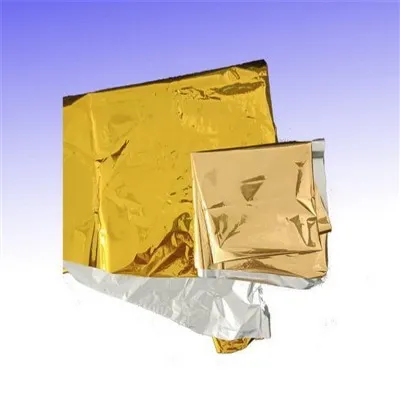
At the end of the day, decorative film’s resistance to steam isn’t a gimmick. It’s a material science thing, paired with good installation. You don’t have to settle for peeling wallpaper or moldy grout in your steamy spaces. The right decorative film is tough enough to handle the heat and moisture, looks good, and lasts. So if you’re tired of the same old problem with your bathroom or kitchen walls, reach out—we’ll help you get set up with something that actually works.
Anti-scratch Laminating Film Reference: Decorative Film Performance Testing, The Wallcovering Association, 2022; Acrylic Adhesive Moisture Resistance Studies, Adhesive Technology Journal, 2021; Commercial Surface Material Durability Testing, American Institute of Architects, 2020.
Yantai Hongqing Packing Material Co., Ltd.
Yantai Hongqing Packing Material Co., Ltd. is one of the most professional decorative film manufacturers and suppliers in China, also supports customized service. Welcome to wholesale advanced decorative film made in China here and get quotation from our factory. Quality products and reasonable price are available.
Address: Eastern Industrial Park, Taocun, Yantai, Shandong Province, China
E-mail: cindy@ythongguang.cn
WebSite: https://www.hqingnewmat.com/
