Hey everyone, let’s talk about something that’s been a total workhorse in every OR I’ve visited—surgical retractors. As a supplier of surgical instruments, I get asked all the time what these tools actually do beyond just “holding things open.” Spoiler: they’re way more than just the quiet helpers keeping a surgeon’s field clear. Let’s break this down like we would in a quick chat with a scrub tech, no fancy jargon overload, just real talk. Surgical Instruments
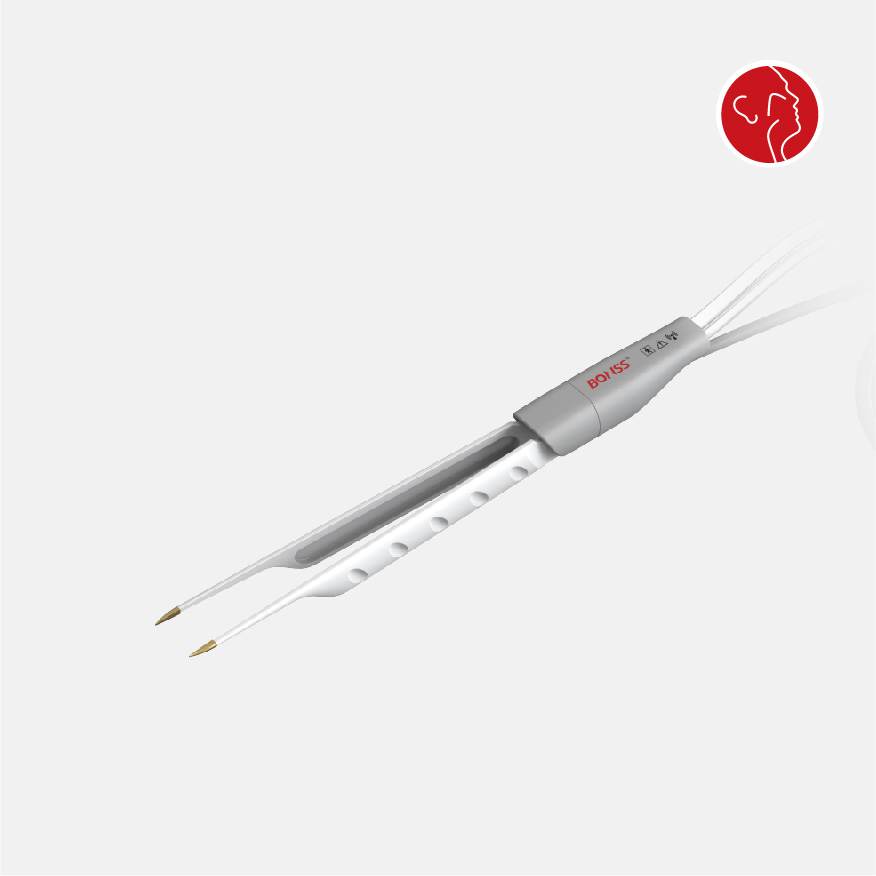
First off, let’s set the scene. When a patient’s on the table, the last thing a surgeon needs is tissue, organs, or even bone shifting around mid-procedure. That’s where retractors step in. Their whole job is to pull tissue, muscle, bone, or other structures back to create a steady, unobstructed view of the surgical site. Without ’em, even the simplest incision could turn into a nightmare of trying to keep everything out of the way with your hands (don’t get me started on how scrub techs hate when surgeons waste time fumbling for that). But here’s the thing—retractors aren’t one-size-fits-all. I’ve seen ORs keep a whole tray of different retractors on standby because a spine surgery needs something totally different than a minor skin biopsy.
Let’s start with the basics you might’ve heard of. There’s the handheld ones—like the Army-Navy retractor, super common for general surgeries. It’s got those little prongs, right? A nurse or assistant holds it during a procedure, pulling back skin or fat so the surgeon can get to deeper tissue. Then there’s the Richardson retractor, which is a bit bigger, flatter, good for bigger incisions, like an abdominal surgery. But handheld retractors only go so far. If you’re doing a 6-hour cardiac procedure, having a person holding a retractor nonstop is impossible—that’s where self-retaining retractors come in. I sell a TON of these. They clamp down and lock in place, so the assistant can focus on passing tools instead of holding something steady. The Omni-Tract system is a big one in my line—modular, so you can swap out parts for different procedures, from knee replacements to hernia repairs. I had a surgeon tell me once that cutting down on one assistant’s retractor duty saved his team an extra 15 minutes on a long case, which is huge when every minute counts for patient safety.
Wait, let’s get specific about what structures they retract. It’s not just “stuff”—each retractor is designed for a specific tissue type. For orthopedic surgeries, like a total hip replacement, you need retractors that can pull back thick muscle and hold against bone without slipping. The Hohmann retractor has a sharp tip that anchors into bone, so you don’t have to worry about it sliding when the surgeon’s reaming the femur. That’s a big deal—if a retractor slips, it can cause accidental tissue damage, which no one wants. For ophthalmic surgeries, though? You need tiny, delicate retractors. I’ve got a set of eye retractors that are so small, you barely feel ’em on the eyelid. They pull back the tiny tissue around the eye so surgeons can work on cataracts or retinal issues without damaging the delicate optic nerve. That’s where precision matters way more than strength, and it’s why my team and I make sure we stock every size for these niche procedures.
Another thing I’ve learned from talking to surgeons: retractors aren’t just for keeping the field open—they also protect tissue. A lot of people don’t realize that. If you’re pulling back a flap of skin, a retractor acts as a barrier between the sharp scalpel and the underlying muscle or organ. I had a plastic surgeon tell me last month that using a malleable retractor (the bendable, thin kind) for a face lift cut down on incidental cuts to facial nerves because it held the tissue back in a soft, controlled way instead of a rigid, sharp tool. Oh, and for minimally invasive surgeries? Wait, yeah, even laparo and robotic procedures use retractors, just different ones. There’s the laparoscopic retractors that go through small incisions, with long shafts and small, grasping tips. They pull the intestines or liver out of the way so the surgeon can get to the appendix or gallbladder. I used to think retractors were only for open surgery, but now 30% of my orders are for minimally invasive tools—shows how adaptable these things are.
Now, let’s talk about the mistakes people make when picking retractors, because I see this all the time as a supplier. A lot of small clinics buy cheap, generic retractors to save money, but that’s a false economy. Cheap steel bends easily, which means it can slip or break mid-procedure. I had a case last year where a rural clinic used a cheap self-retaining retractor for a C-section, and the lock failed—they had to call in a second assistant to hold the field, which delayed the surgery by 20 minutes. That’s not worth saving a few bucks. I always tell my customers: match the retractor to the procedure. If you’re doing a small skin biopsy, a cheap handheld retractor is fine. If you’re doing a 4-hour thoracic surgery, invest in a high-quality, autoclavable self-retaining one that’ll last through 100+ sterilization cycles. Most of my instruments are reusable, so it’s a one-time investment that pays off for years.
Also, sterilization is a huge factor here. Surgical retractors go from patient to patient, so they have to be fully autoclavable, no crevices where bacteria can hide. A lot of budget retractors have tiny welds or grooves that are hard to clean, which is a infection risk. My team designs retractors with smooth, seamless surfaces so they’re easy to sanitize—surgeons tell me that’s one of the biggest things they look for when reordering. I even have a line of disposable retractors for procedures where cross-contamination is a big concern, like open-heart surgery, but most facilities stick with reusable because it’s more cost-effective long-term.
Wait, let’s get back to how retractors affect patient outcomes, because that’s the real bottom line. If a retractor is too sharp, it can nick tissue, leading to bleeding or scarring. If it doesn’t hold the field steady, the surgeon might have to work faster, increasing the risk of mistakes. I’ve had a plastic surgeon tell me that using the right retractor for a breast reconstruction cut the patient’s recovery time by 2 days because the incision was cleaner and there was less tissue trauma. That’s the stuff you don’t see on the surface, but it makes a huge difference for the patient.
Now, I know a lot of my fellow OR staff don’t think about retractors beyond grabbing the right one for the case. But as someone who’s been in this game for 10 years—running a surgical instrument supply business, talking to scrub techs, surgeons, nurses every day—I can tell you they’re a unsung hero of the OR. No one gives a standing ovation to the retractor, but without it, most surgeries wouldn’t be possible. Think about your next procedure: how many times has a retractor quietly been holding everything together while the surgeon does their work?
Here’s the thing: if you’re a clinic, hospital, or even a private practice, and you’re tired of dealing with retractors that bend, slip, or are hard to clean, I’m your guy. I don’t sell “one-size-fits-all” garbage. I work with you to figure out exactly what retractors you need for your specific procedures, whether that’s orthopedics, general surgery, ophthalmology, or even minimally invasive stuff. I’ve got everything from budget-friendly handheld tools for small practices to heavy-duty self-retaining systems for large hospitals. I also offer bulk discounts for facilities that order regularly, and I make sure all my instruments are FDA-compliant and easy to sterilize. If you’re tired of the hassle of ordering instruments that don’t work, hit me up to talk through what you need. We can put together a custom kit for your OR, answer any questions you have, and make sure you’ve got the right retractors for every case. No pressure, just straight talk about what works in the real OR.
Wait, I should wrap this up without being too salesy. Let me make sure I didn’t skip anything. Oh, right, some people confuse retractors with other tools, like forceps. No, forceps are for grasping tissue—retractors are for pulling it back. That’s a common mix-up, so I make sure to clarify that with new customers. I also keep a stock of hard-to-find retractors, like the ones used in maxillofacial surgery, because a lot of suppliers only carry the basics. It’s those little, niche tools that make my business stand out—ORs don’t have time to wait 2 weeks for a specialty retractor to come in, so I keep them in stock.
At the end of the day, the OR runs on teamwork, and retractors are a key member of that team. They don’t get the glory, but they’re essential. If you’re in charge of ordering instruments for your facility, or if you’re a surgeon looking to upgrade your retractor setup, reach out to chat. I’m here to help you pick the right tools, answer any questions, and make sure your OR runs as smoothly as possible. No jargon, no fine print, just good instruments and good service.
UBE Surgical Instrument Sets References:
- American College of Surgeons. (2021). Standard Surgical Instruments: Retractors and Their Indications. ACS Surgery Essentials for General Practice.
- Association of periOperative Registered Nurses (AORN). (2022). Sterilization and Processing of Reusable Surgical Instruments. AORN Journal, 125(3), 245-256.
- Gawande, A. (2009). The Checklist Manifesto: How to Get Things Right. Metropolitan Books.
- Journal of Surgical Education. (2020). Retractor Selection and Tissue Trauma in Minimally Invasive Surgery. Journal of Surgical Education, 77(5), 1124-1131.
- Orthopaedic Nurses Association. (2021). Instrument Basics for Orthopaedic Surgical Procedures. Orthopaedic Nursing, 40(2), 95-102.
Jiangsu Bonss Medical Technology Co., Ltd.
As one of the most professional surgical instruments manufacturers and suppliers in China, we’re featured by quality products and good price. Please rest assured to buy bulk surgical instruments for sale here from our factory. Customized orders are welcome.
Address: Building #7,No.898,China Medical City Avenue, Haling District, Taizhou City.Jiangsu P.R. China
E-mail: inquiry@plasma-surgical.com
WebSite: https://www.bonssmedical.com/
