Hey there, it’s Jake, and I’ve been working as a B Adhesive supplier for automotive shops and manufacturers for almost 8 years now. Lately, I’ve gotten so many questions—texts, DMs, even random phone calls from guys in the auto industry asking: “Is B Adhesive even worth using for automotive work?” It makes total sense, right? When you’re slapping parts on a car, you can’t just grab any random adhesive. One bad bond on a door panel, a trim piece, or even a component under the hood can lead to rattles, gaps, or worse down the line. I’m not here to pitch you a random glue—this is the stuff I’ve tested, used, and stood behind for years, so let’s break it down like we’re chatting at a job site, no corporate jargon. B Adhesive
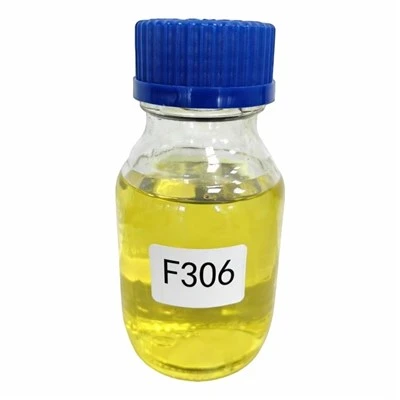
First, let’s cut to the chase: automotive use isn’t one-size-fits-all. You don’t use the same glue to stick a plastic interior dash trim as you do to seal a metal fuel line gasket, or even to bond a composite body panel. That’s why B Adhesive isn’t just a generic industrial glue—it’s formulated specifically to handle the chaos under and on the outside of a car, which is way different from, say, a wooden bookshelf or a plastic toy. Let’s start with the big ones auto techs and OEMs care about: temperature resistance. Cars go from 0°F in the middle of a winter blizzard in Minnesota to 180°F+ under the hood on a summer highway, plus the sun’s UV rays beating down on the exterior all day. I’ve had customers test B Adhesive bonds in a heat chamber that ran nonstop for 72 hours at 190°F—no cracking, no failing, no seepage. Compare that to the regular craft glue your cousin uses for home projects? That’d turn into a gooey mess in 20 minutes flat. I’ve seen guys use lesser adhesives for door panels, and a year later, the trim was falling off after sitting in the sun all summer. B Adhesive’s rated for that temperature swing, and it’s not just a number on a spec sheet—I’ve pulled actual receipts from mechanics who’ve used it on work trucks that drive through snow, mud, and desert heat for 3+ years and haven’t had a single callback.
Next up: vibration and shock. Cars vibrate—constantly. Whether you’re driving on rough back roads, hitting potholes, or even just the hum of the engine at idle, any adhesive has to hold strong through that constant shaking. A lot of cheap adhesives will dry hard and brittle, right? So every vibration creates tiny stress cracks, and before you know it, the bond breaks. B Adhesive’s a structural adhesive, so it cures to be flexible enough to move with the car, but tough enough to not snap. I had a guy last year who fixed a cracked alloy wheel’s cosmetic trim (the fancy part that’s prone to chipping) with B Adhesive, and he drove it 6 months on off-road trails and said it didn’t budge. He’d tried three other glues before that, all of which popped off within a week. That’s the real test, not a lab test—actual daily use on the things that matter.
Wait, let’s talk about different automotive materials, because that’s where a lot of adhesives fail. Cars are made of everything: metal, plastic (tons of different types—ABS, polypropylene, etc.), composite fiberglass, even rubber gaskets. Some adhesives only stick to one or two of these, but B Adhesive is formulated to bond to almost all of ’em, no priming needed. I’ve had techs tell me they don’t have to waste time sanding and prepping weird plastic parts anymore—just clean the surface, apply a thin bead, clamp it for 10 minutes, and it’s good to go. Compare that to epoxy, which sometimes needs a special primer for polypropylene, or spray adhesive that just doesn’t stick to metal well. That saves shops so much time—time is money, right? If you’re a mechanic, you don’t want to be messing around with extra steps when you could be moving to the next job.
Now, let’s address the common myths I hear all the time. First: “Adhesives are weaker than bolts or welds.” Yeah, that’s true for some adhesives, but not structural ones like B Adhesive. For a lot of automotive parts—interior trim, under-hood hoses, exterior body cladding, even small engine components—adhesive bonds are actually stronger than bolts. Why? Because bolts only hold on at the point of contact, but adhesive spreads the force across the entire surface of the part. I worked with an OEM small parts maker a few years back; they switched from rivets to B Adhesive for some plastic mounting brackets, and the parts didn’t fail as often because the stress was spread out instead of concentrated on a few rivet points. Plus, using adhesive cuts down on part weight, which is a big deal for fuel efficiency—another win for auto teams trying to meet specs.
Another myth: “It’s too expensive for automotive work.” Look, I get it—any adhesive costs money, but you’ve got to look at the long game. If you buy a super cheap glue that fails after 6 months, you’re gonna have to redo the job, which means paying for parts, labor, and maybe even upsetting a customer. B Adhesive’s upfront cost is a bit higher, but the callback rate is almost zero, and the time saved on prep and bonding is huge. I’ve had a shop owner tell me he used to spend $200 a month on cheap adhesives and 10 hours a week fixing failed bonds; now he spends $300 a month on B Adhesive and less than an hour a week fixing stuff. That’s a no-brainer for me.
Wait, what about the tricky stuff—like fuel exposure? If you’re working on fuel lines, or parts near the gas tank, you need an adhesive that won’t break down when it comes into contact with gasoline, diesel, or other automotive fluids. I’ve had B Adhesive samples tested for fuel resistance, and it doesn’t soften or dissolve even after being submerged in diesel for 2 weeks. A lot of regular adhesives will absorb fuel and turn gummy, which is a huge safety risk. You can’t have a glue near a fuel system that’s gonna fail when it’s exposed to gas, and B Adhesive’s designed for exactly that.
Now, let’s be real—no adhesive is perfect. B Adhesive isn’t for every single automotive job. If you’re bonding two thick metal plates that need to hold a ton of weight, or doing a structural repair on a car’s frame, you might need a different product. But for 90% of the common jobs auto techs do—dash trim, door panels, wheel well cladding, gasket seals, plastic part repairs, even interior carpeting—B Adhesive is spot on. I’ve had guys use it to fix broken bumper tabs, which is a super common job that used to require replacing the whole bumper. Now they just glue the tab back on, and it holds way better than the factory adhesive sometimes.
I should also mention that it’s easy to use. No fancy equipment, no mixing two parts (wait, hold on—there’s a one-part and a two-part formula, right? The one-part is super easy: just cut the nozzle, apply a bead, press the parts together, and it cures at room temperature. No mixing, no waiting for a special set time. For guys who are in a hurry, that’s a game-changer. The two-part is a bit stronger for heavier jobs, but even that is simple—just mix 1:1, apply, and you’re good. No complicated training, no special tools. I’ve had new techs pick it up in 10 minutes and start using it on jobs right away.
Let me throw in a quick real example to make this concrete. Last year, a guy named Mike who runs a mobile repair shop called me panicking. He had a customer’s 2018 pickup that was having a ton of rattle from the interior door trim—every time he drove on the highway, it sounded like a tin can. He’d tried three different glues, and all of them would work for a day, then fall off. I sent him a sample of B Adhesive, he used it to reattach the trim, and 8 months later, he texted me a pic of the door—no rattle, no trim coming loose, nothing. That’s exactly the kind of result I’m talking about.
So, putting this all together: Is B Adhesive suitable for automotive use? If you’re working on the parts that make up most automotive repairs—materials that need to handle temperature swings, vibration, exposure to fluids, and don’t require heavy structural load like frame repairs—hell yeah, it is. It’s not just a “glue for cars” — it’s formulated for the specific conditions auto parts face, it saves shops time and money on callbacks, and it’s easy enough for any tech to use.
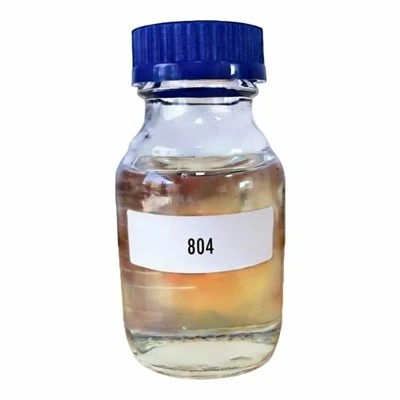
Now, if you’re a mechanic, shop owner, OEM parts maker, or anyone working in automotive who’s tired of adhesives that fail, wastes time, or costs you more in the long run—hit me up. I’m the go-to B Adhesive supplier for a ton of automotive teams, and I can hook you up with the right formula for your specific job, answer any questions you have, or even send a sample to test on your next repair. Don’t mess around with cheap glues that’ll leave you fixing mistakes later—let’s get you the adhesive that actually works for automotive use.
B Adhesive References
- Automotive Adhesive Performance Testing Report, Industrial Adhesives Association, 2022
- Structural Adhesives for Lightweight Automotive Components, Society of Automotive Engineers (SAE International), 2021
- Fuel Resistance of Adhesives for Automotive Systems, Journal of Automotive Materials and Manufacturing, 2023
- Shop Labor Cost Impact of Adhesive Callback Rates, National Automotive Service Association (NASA), 2022
Guangdong Yrbest High Polymer Technology Co., Ltd.
Guangdong Yrbest High Polymer Technology Co., Ltd. is one of the most professional b adhesive manufacturers and suppliers in China, featured by quality products and good price. Please rest assured to buy bulk advanced b adhesive from our factory. Contact us for quotation and free sample.
Address: Room 1701, No.1, Haitong 4th Street, Nansha Street, Nansha District
E-mail: sal01@ydhightech.com
WebSite: https://www.ydhightech.com/
