If you’ve ever stood in the makeup aisle, staring at blusher tins and compacts, trying to pick between powder or cream, you’re not alone. For years, I’ve worked as a powder blusher supplier—talking to makeup artists, small boutique studio owners, and even everyday customers who swear by one formula over the other. What always surprises me is how many people write this off as a “preference thing” when it’s actually rooted in science, skin type, and the exact vibe they’re going for. Today, I’m breaking down the real differences, not just the marketing fluff, to help you stop guessing and start choosing. Powder Blusher
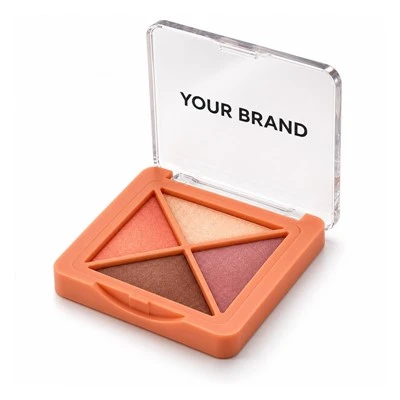
Let’s start with the basics: what even makes powder blusher different from cream? It all comes down to formulation. Powder blushers are made with finely milled pigments mixed with talc, cornstarch, or silica to keep them dry and powdery. These ingredients help the pigment sit on top of the skin instead of sinking in. Cream blushers, on the other hand, combine pigments with oils, butters, or waxes, so they’re moisturizing and blend like a second skin. The difference in base ingredients is why one works best for oily skin and the other for dry, why one lasts all day and the other needs a mid-day touch-up, and why one is perfect for a natural, no-makeup makeup look while the other leans more glowy.
Let’s talk skin type first, because that’s the biggest factor I see customers miss. Oily or combination skin? Powder blusher is usually your better bet. The dry, matte base of powder formulas absorbs excess sebum throughout the day, so the color stays put without sliding or settling into pores. I’ve had so many customers with T-zones that shine by noon tell me cream blush makes them look like they have a red rash by mid-afternoon—all because cream’s oil-based formula reacts with their natural oil, melting it off unevenly. Powder’s finely milled particles are also light enough that they won’t clog pores, which is a win for acne-prone skin too.
Dry skin? Cream blusher is your ride-or-die. Powder can sometimes cling to dry patches or flaky areas, making them more obvious—like if you have dry cheeks and use powder blusher, it might settle into the rough texture, leaving your skin looking dull instead of rosy. Cream formulas add a layer of moisture, so they smooth over dry areas and give that lit-from-within glow that powder can’t replicate. I once had a customer with eczema on her cheeks tell me she’d spent years trying powder blushers that stung or irritated her, until she switched to cream—since then, she only buys cream, and her skin has stayed calm. That said, if you love the finish of powder but have dry skin, there’s a middle ground: use a hydrating primer or moisturizer on your cheeks first, then layer a thin powder blusher over top. It gives you the color payoff of powder without the dryness.
Next, application is a huge difference that most people don’t talk about enough. Powder blusher is super forgiving for beginners. You apply it with a fluffy powder brush, swirl the brush into the compact, tap off the excess, then blend in circular motions on the apples of your cheeks. The key here is the excess you tap off—if you skip that, you’ll end up looking like you have a bright red stripe down your face, but once you get the hang of it, it’s hard to overdo. Powder also works for buildable looks: start with a light layer for work, add a little more for a night out, no mess.
Cream blusher is a little trickier, but it’s not hard once you get the rhythm. You apply it with your fingers, a damp beauty sponge, or a stippling brush. Fingers work best because the warmth of your hands melts the cream slightly, helping it blend seamlessly into your skin. The downside? You have to blend fast—cream dries pretty quickly, and if you take too long, it’ll streak. I always tell customers to apply cream before foundation, actually—wait, no, hold on, that’s a common mistake. If you apply cream after foundation, the foundation can act as a barrier, so the cream won’t blend, it’ll sit on top and look patchy. The right order is moisturizer, sunscreen, then cream blusher, then foundation. That way, the cream has something to stick to, and you get a smooth, even finish.
Then there’s longevity, which is where powder blusher really shines. A good powder blusher can last 8 to 12 hours, no touch-ups needed—even through a long day of work, running errands, or a workout (as long as you don’t sweat through your shirt, obviously). The dry base repels oil, so it stays in place all day. Cream blusher, on the other hand, usually lasts 4 to 6 hours, maybe longer if you set it with a powder, but it’s still not as long-wearing as powder. That’s why I always recommend powder blush for events where you can’t touch up—like a wedding or a 12-hour work conference—while cream is perfect for casual days when you want a dewy look and don’t mind a mid-day top-up.
Wait, let’s bust a myth here: a lot of people think powder blusher is matte and cream is dewy, but that’s not always true. There are matte cream blushers (formulated with less oil, more wax) and dewy powder blushers (with added mica or pearl particles). The base is still different, though—even a dewy powder has that dry core, so it absorbs oil over time, while a matte cream is still moisturizing. That’s an important distinction. I make sure our powder blush line has both matte and dewy options, so customers can get the finish they want without switching formulas.
Another thing: pigment payoff. Powder blusher usually has intense, concentrated pigment, so a little goes a long way. That’s why tapping off the excess is key—if you just swipe the brush in, you’ll get way too much color. Cream blushers, meanwhile, have more sheer pigment, so you build them up gradually. Some cream formulas are very sheer, so they’re great for a “my cheeks but better” look, while some are more pigmented for bolder colors. If you love bold, vibrant blusher, powder is probably your go-to; if you prefer a soft, subtle flush, cream might be more your speed.
Now, as someone who’s a powder blusher supplier, I’ll be honest—there are times when both work, and times when one is clearly better. For example, if you want to do a cut crease for a party, powder blusher lets you create sharp, defined edges that cream can’t match. If you’re doing a no-makeup makeup look for a day at the park, cream gives that natural glow that powder can only replicate if you use a sheer, dewy formula. I also recommend mixing both for a hybrid look: apply a cream blusher first for glow, then a light layer of powder blusher on top to set it and add longevity. That’s a trick makeup artists use all the time, and it’s perfect for anyone who wants the best of both worlds.
Common mistakes I see customers make: buying a blusher just because it’s the latest trend, not checking if it matches their skin tone, or using the wrong applicator. For powder blusher, a fluffy powder brush is always better than a dense concealer brush—dense brushes pick up too much product and don’t blend well. For cream, a damp beauty sponge gives a more sheer, natural look, while a stippling brush gives more coverage. Also, don’t be afraid to test colors: warm skin tones look great in peachy or coral blush (powder or cream), cool tones in pink or berry, and neutral tones can pull off almost anything.
If you’re still not sure which to pick, think about your daily routine. Do you wake up 10 minutes before you need to leave the house? Powder blusher is faster to apply, easier to blend, and less likely to mess up your makeup. Do you love glowing skin, even in winter when your cheeks are dry? Cream is the way to go. And if you’re someone who goes between oily and dry depending on the season, powder blusher with a dewy finish is versatile enough to work year-round, as long as you prep your skin right.
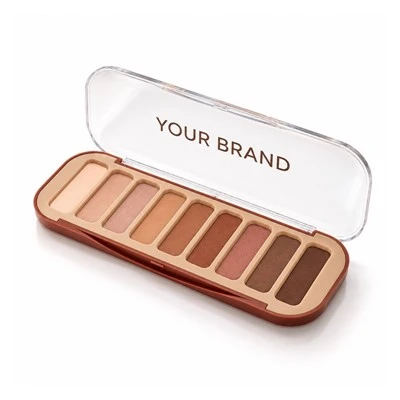
At the end of the day, both powder and cream blushers have their place in a makeup bag. The key is understanding the science behind each formula, so you can pick the one that works for your skin type, your routine, and the look you want to achieve. As a powder blusher supplier, I’ve spent years refining our line to make sure we have options for every customer—from beginners to pro makeup artists. If you’re a studio owner, a makeup artist, or just someone who wants to stock quality blush for your personal or professional use, feel free to reach out to discuss bulk ordering, samples, or any questions you have about our powder blusher line.
Eyeshadow Pencil References:
- Draelos, Z.D. (2021). The Science of Cosmetic Formulation: Foundations, Powders, and Creams. International Journal of Cosmetic Science.
- American Academy of Dermatology (2022). Choosing Makeup for Your Skin Type. AAD Skin Health Resource.
- Lintner, K. (2020). Blusher Formulations: Comparing Powder, Cream, and Gel Options. Journal of Cosmetic Dermatology.
- Davis, S. (2019). Longevity of Facial Cosmetics: How Formula and Application Impact Wear Time. Cosmetics and Toiletries Magazine.
Jinhua Yicai Biotechnology Co., Ltd.
Jinhua Yicai Biotechnology Co., Ltd. is one of the most experienced powder blusher manufacturers and suppliers in China, also supports customized service. Please feel free to wholesale bulk high quality powder blusher made in China here from our factory. Welcome to contact us for quotation.
Address: Building 2, Floors 2, 3, and 4, No.268 Changchun West Road, Fuchun Town, Jindong District, Jinhua City, Zhejiang Province, China
E-mail: 13335931026@163.com
WebSite: https://www.yicaimakeupfactory.com/
