When I first started in the medical disposables space back in 2012, I thought it was just simple stuff: gloves, bandages, maybe a few syringes. Fast forward a dozen years, and I’m still unpacking layers of this industry that’s equal parts critical care lifeline and quiet workhorse for frontline teams worldwide. As someone who’s sat across from nurses in busy urban hospitals and small clinic owners in rural communities, I’ve learned that not all medical disposables are created equal—and picking the right ones can mean the difference between a smooth shift and a preventable complication. Today, I want to walk you through the main types we supply, why each matters, and what I’ve picked up along the way that I don’t always see in basic product guides. Medical Disposables
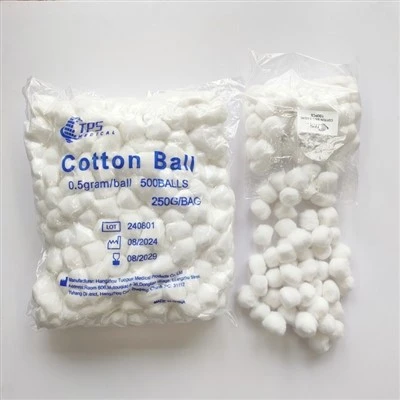
First off, let’s ground this: medical disposables are single-use items designed to prevent cross-contamination, keep healthcare settings sterile, and support patient care without needing to be cleaned or reused. Reusables have their place, but disposables cut down on infection risk, save time on laundry or sterilization, and make sense for high-volume or specialized procedures. Now, let’s break down the categories that make up the bulk of what we work with, because you’ll find these everywhere from a pediatrician’s office to a Level 1 trauma center.
The first big category is exam and procedure gloves—this is the workhorse that never leaves the forefront, but has evolved a lot in my time. Early on, we only had nitrile and latex; now there’s PVC, neoprene, and even specialized formulations for people with allergies. What most people don’t realize is that not all gloves are the same: an exam glove for a routine well-child check is very different from a surgical glove used in an operating room. Surgical gloves are thicker, have extra texture for grip during suturing, and are sterile right out of the package, whereas exam gloves are often non-sterile and designed for light contact. I remember a few years back, we had a clinic order nitrile gloves that were too thin for a nurse who worked with sharp medical waste; she came back saying a glove tore when she was picking up a contaminated needle. That’s when we started having conversations with clients about matching glove thickness and material to their exact use case—latex is still great for people who don’t have allergies and need the sensitivity for fine motor tasks, but nitrile is our most popular pick now because it’s latex-free, puncture-resistant, and works for most general procedures. We also supply heavy-duty gloves for custodial staff who handle cleaning chemicals or contaminated linens—those are a whole separate line, thicker and designed to hold up to harsh conditions, not just patient contact.
Next up: sterile wound care products. This is the category where I’ve seen the biggest shift in recent years, especially with the rise of chronic wound care for diabetes and post-surgical patients. Basic bandages and gauze are the entry point here—adhesive bandages for small cuts, rolled gauze for wrapping sprains, and non-stick gauze that doesn’t tear when it’s time to change a dressing. But beyond that, there’s a whole range of specialized disposables for wounds: alginate dressings that absorb heavy exudate (fluid from wounds), foam dressings that keep wounds moist to speed healing, and transparent film dressings for IV sites so you can monitor the site without removing the dressing. What’s important here is that these are all single-use to avoid introducing bacteria to a sensitive wound. I once worked with a home health nurse who told me she used to reuse gauze dressings for a patient with a stage 4 pressure ulcer because it was all the clinic had on hand; she later had to adjust her order to include more of the absorbent alginate dressings because the old gauze was sticking to the wound and causing extra damage when removed. For that patient, proper disposable wound care cut healing time by almost two weeks. We also supply sterile wound pads for larger, more traumatic wounds—like after surgery or emergency trauma care—those are non-adherent and come in different sizes depending on the patient.
Then there’s the category of injectables and IV-related disposables, which are non-negotiable for almost every inpatient and outpatient procedure. Syringes are the obvious one, but not all syringes are the same: there are Luer-lock syringes that keep needles attached securely (critical for drawing up medications or injecting into IV lines), and slip-tip for when you’re connecting to other equipment. Needles themselves are single-use, designed for different purposes: hypodermic needles for injections, phlebotomy needles for drawing blood, and even blunt-tip needles for procedures where you need to avoid sticking a patient. IV supplies include peripheral IV catheters, sterile IV start kits, extension tubing, and IV dressings to keep the site secure. I’ve had clients tell me that cheap needles can bend when you’re trying to start an IV in a difficult vein—nothing slows down a shift more than struggling to get an IV in an 80-year-old patient. That’s why we only source needles and syringes from manufacturers that meet strict ISO standards, because the last thing anyone wants is a needle that bends or breaks mid-procedure. We also supply insulin syringes for diabetes care—those are smaller, calibrated to give precise small doses, which is a huge deal for patients who need accurate insulin levels.
A category that’s often overlooked but just as critical is respiratory care disposables. This blew up during the pandemic, of course, but it’s always been a staple for pulmonologists, emergency rooms, and home health. The basics here are nasal cannulas for oxygen delivery, oxygen masks, and surgical masks—but beyond that, there’s a whole range of disposables for respiratory procedures: nebulizer cups for liquid medications, spirometry mouthpieces for lung function tests, and disposable ventilator circuits for patients on life support. What’s key here is that these are all designed to prevent the spread of airborne pathogens, especially for patients with TB, COVID-19, or other contagious respiratory illnesses. I remember in 2020, we scrambled to source N95 respirators for our clients when supply chains were stretched thin, but we also made sure they had the right fit testing information because a mask that doesn’t seal correctly is useless. For home health patients, we supply disposable nebulizer kits so they don’t have to clean and reuse parts at home—cuts down on cross-contamination and makes care easier for patients who might have limited mobility.
Surgical and procedural disposables are another big category, and this is where the precision matters most. When you’re in an operating room, every item needs to be sterile, single-use, and designed for a specific step in the procedure. This includes things like surgical drapes that cover the patient and create a sterile field, surgical gowns that are fluid-resistant, sutures (both absorbable and non-absorbable), surgical blades, and even things like disposable laparoscopic instruments for minimally invasive procedures. I’ve talked to OR managers who say switching to disposable laparoscopic instruments cut their sterilization costs by 40% a few years ago—they used to have a large staff dedicated to cleaning and resterilizing reusable instruments, and the risk of tearing or damaging reusable tools was high. Disposables eliminate that risk, and for many small hospitals or clinics that can’t afford a full sterilization department, they’re a game-changer. We also supply sterile packs—pre-assembled sets of drapes, gowns, and tools for specific procedures like C-sections or appendectomies, so OR teams don’t have to hunt for individual items mid-surgery. That cuts down on delays when every minute counts.
Infection control and PPE (personal protective equipment) is a category that’s been top of mind for everyone in the last few years, but it’s always been a core part of medical disposables. This includes not just masks, gloves, and gowns, but also things like isolation gowns, face shields, alcohol wipes, chlorhexidine swabs for skin preparation before procedures, and biohazard bags for medical waste. One thing I learned early on is that not all PPE is rated the same level of protection—surgical masks are for general procedure use, while N95 or KN95 respirators are for airborne pathogens like TB or COVID. Biohazard bags come in different sizes and thicknesses depending on what’s inside: small bags for used needles, larger bags for linens with bodily fluids. I worked with a clinic last year that was using regular trash bags for medical waste because they were cheaper; when a health inspector came, they were cited for not using the correct leak-proof bags. That’s a preventable mistake that wastes time and money, and it’s exactly why we take the time to educate our clients on the difference between each type, not just sell them products.
There are also some niche categories that serve specific needs, and those are the ones that make this industry feel so dynamic. For example, obstetric disposables: things like delivery packs, fetal monitoring belts, and umbilical cord clamps, all designed for safe childbirth. We also supply urological disposables, like catheters and drainage bags, which need to be sterile and designed to prevent urinary tract infections. And for dental offices, there’s a whole line of disposables: dental dams, impression trays, and bibs, all to keep the patient clean and prevent cross-contamination between appointments. I used to think dental disposables were just small stuff, until a dentist told me that using a single-use impression tray every time cut their patient wait time by 15 minutes because they didn’t have to sterilize the tray between patients. Small changes like that add up to bigger, more efficient care.
Now, as a supplier, I want to be clear: it’s not just about stocking these items. Over the years, I’ve realized that our role goes beyond selling gloves or gauze. We work with clients to assess their volume needs, recommend the right products for their specific setting (a small clinic doesn’t need industrial-grade custodial gloves, just like a Level 1 trauma center needs heavy-duty surgical drapes), and make sure they have consistent supply—nothing is worse than running out of critical disposables during a busy flu season or a surge in patients. I’ve built relationships with manufacturers who prioritize quality control, because cutting corners on disposable medical supplies isn’t worth the risk to patients or staff. We also offer flexible ordering for small clinics that don’t have big storage spaces, so they don’t have to stock a 6-month supply of something they only use occasionally.

If you’re a clinic manager, nurse practitioner, or hospital procurement lead who’s tired of sorting through generic suppliers who don’t understand the specific needs of your team, I encourage you to reach out to discuss our medical disposable lines. Whether you need exam gloves, wound care products, surgical supplies, or any other single-use medical items, we’re here to help you find the right fit for your practice, with quality products and support that prioritizes patient safety.
First Aid Kit Accessories References:
- World Health Organization. (2021). Medical Disposables: Guidance on Classification, Safety, and Waste Management. WHO Press.
- ISO 13485:2016. Medical Devices – Quality Management Systems – Requirements for Regulatory Purposes. International Organization for Standardization.
- Centers for Disease Control and Prevention. (2022). Guidelines for Infection Prevention in Healthcare Settings. CDC.
- American Society for Healthcare Materials Management. (2020). Medical Disposables in Acute Care Settings: Trends and Best Practices. ASHMM.
Hangzhou Tuopusi Medical Products Co., Ltd.
As one of the most professional medical disposables manufacturers and suppliers in China, we offer a wide range of products with superior quality. Please feel free to wholesale bulk customized medical disposables at competitive price from our factory. Also, free sample is available.
Address:
E-mail: sales@tpsmedic.com
WebSite: https://www.medressing.com/
