What’s up, guys – if you’ve ever walked a construction site, you’ve probably seen those big, heavy machines buzzing around the ground, squishing it down until it’s solid as a rock. But if you’ve ever wondered which one’s the workhorse for tight spaces and quick, compacting jobs, that’s a single-direction plate compactor. Let’s break this down like we’re chatting over a coffee, no jargon overload here, especially since we’re a plate compactor supplier that sees these things in action every single day. Plate Compactor
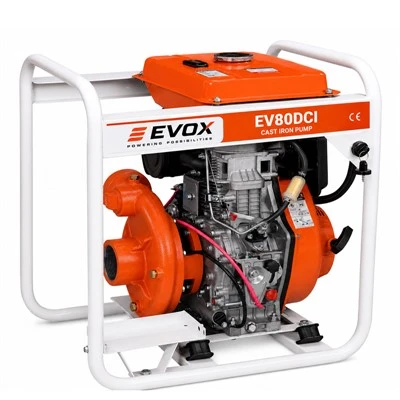
First off, let’s keep it simple: a plate compactor (sometimes just called a “plate”) is a construction tool built to compact soil, gravel, asphalt, or even sand. Think of it like a super-powered vibrator for the ground – but way more serious than the one you use to wake up in the morning. Now, the “single-direction” part is the key that sets these apart from their twin, the reversible plate compactor. Here’s the deal: a single-direction plate only shoves forward when it runs; it can’t pull backward. That might sound annoying at first, but trust me, it’s exactly why they’re perfect for most small to medium jobs, like backyards, sidewalk repairs, or filling in trenches for a new fence.
Let’s talk about how they work, because that’s where the magic (and the efficiency) comes in. Every single-direction plate has a heavy steel base plate – usually around 100 to 300 pounds, depending on the model – that vibrates at like 3,000 to 5,000 times a minute. That constant vibration loosens up the tiny gaps between dirt or gravel particles, so they settle tighter instead of shifting around. And since it only moves forward, you don’t have to fight it to go straight; it just glides along as it compacts. Compare that to a reversible plate, which can go forward and backward, but it’s heavier, more expensive, and overkill for 90% of the jobs a DIYer or small contractor takes on.
Wait, let’s make that relatable. I’ve seen it a hundred times: a homeowner needs to fix a 10-foot section of their concrete sidewalk. They go rent a reversible plate, spend 20 minutes fighting it because it wants to spin sideways, and end up with uneven compacted ground that cracks the new concrete a week later. A single-direction plate? You push it straight, it compacts every inch evenly, and you’re done in half the time. That’s the real value here – not that it’s worse than reversible, just that it’s built for a specific job, which is where we come in as a supplier that doesn’t push people to buy what they don’t need.
Now, who actually uses these things? Let’s list the folks that keep our single-direction plates flying off the shelves:
- Residential contractors: People building new patios, driveways, or backyard retaining walls. They need something that can navigate tight spaces – like between a house and a garden bed – without taking up a whole parking spot.
- Landscapers: Filling in trenches for sprinkler lines, compacting soil before laying sod, or prepping the ground for gravel paths. Single-direction plates are light enough to haul in a pickup, but strong enough to pack down that soil so it doesn’t sink after the first rain.
- Small construction crews: Fixing potholes in residential streets, laying brick pavers, or compacting backfill around utility lines. Utility work can be messy, but these plates are easy to maneuver over uneven ground.
- DIYers: If you’re tackling a big backyard project, a single-direction plate is way more affordable and user-friendly than a jumping jack compactor (those are the ones you stand on, by the way, and they’re way harder for beginners).
Wait, let’s clear up a common myth: a lot of people mix plate compactors with rammers. Rammers are the tall, jackhammer-looking things you have to hold up, and they jump up and down to compact – mostly used for deep trenches where plates can’t fit. Single-direction plates are flat on the bottom, so they spread their weight evenly over a wide area, which gives a smoother, more uniform compacted surface. That’s why you see them at work on asphalt patches – they leave a nice, even finish, not a bunch of bumps like a rammer would.
Now, what makes a good single-direction plate? As a supplier, we test every model we bring in, so here’s what we look for:
- Engine: No one wants a machine that dies halfway through a job. We go with reliable, fuel-efficient engines – either gas (for portability) or electric (for indoor jobs, like compacting in a basement where fumes are a problem).
- Plate thickness: The base plate should be at least a quarter-inch thick. Thin plates bend after a few uses, which messes up the compacting action.
- Vibration system: Is the vibration balanced? If it’s not, the plate will shake so bad you can barely hold the handle, and it won’t compact evenly.
- Weight: It’s all about balance. Too light, and it won’t pack down soil properly; too heavy, and you’re straining to move it. Our mid-range models (200 to 250 pounds) are the sweet spot for most jobs.
Another thing people don’t talk about: maintenance. Single-direction plates are way easier to maintain than reversible ones. Since they only move one way, fewer parts are working in reverse, so less wear and tear on gears and belts. We’ve got customers who’ve had their single-direction plate for 10 years and only change the engine oil and clean the air filter once a season. That’s a huge win for anyone who doesn’t want to fix their machine every other week.
Wait, let’s get real about the downsides – because no machine is perfect. If you need to compact a large, open area, like a full driveway, a single-direction plate can be slower than a roller compactor, which covers more ground at once. And if you’re working around tight corners or need to back up, a single-direction plate isn’t going to do that without you lifting it (and that’s a pain). That’s why we always tell customers: match the machine to the job. If your job is small to medium, with mostly straight runs and tight spaces, single-direction is your guy. If you’ve got a big, open site and need to maneuver backward a lot, go reversible.
Now, why work with us when you’re looking for a single-direction plate? We’re not the kind of supplier that just dumps machines on a shelf and walks away. We’ve been supplying plate compactors for years, so we know which models hold up, which ones are user-friendly, and which ones are worth the money. We don’t push premium models on someone who only needs a $500 machine for a one-time project, and we don’t sell cheap junk that breaks after two uses. We also carry parts and service, so if you ever need a replacement belt or a new engine part, you don’t have to wait weeks for it to ship in.
If you’re thinking about picking up a single-direction plate for your next project, or you’re a contractor looking to add a reliable machine to your fleet, hit us up to chat. We can walk you through which model fits your needs, answer any questions you have about operation, and make sure you’re getting the right tool for the job. No pressure, no sales pitch – just real talk from people who work with these things every day.
At the end of the day, a single-direction plate compactor isn’t the flashiest machine on a construction site, but it’s the one that gets the small, important jobs done right. It’s the difference between a sidewalk that lasts 10 years and one that cracks in a year, a fence that stands up to wind and rain and one that falls over a season, and a backyard that stays level and one that turns into a mud pit. That’s the value of these machines, and why we’re proud to supply them to folks who need a tool that works as hard as they do.
Portable Inverter Generator References
- Construction Equipment Association. “Plate Compactor Safety and Operation Guidelines.” 2022.
- The Family Handyman. “How to Choose the Right Compactor for Your Project.” 2023.
- Compact Equipment Magazine. “Single-Direction vs. Reversible Plates: What’s the Difference?” 2021.
- American Society of Civil Engineers. “Soil Compaction Methods for Residential and Light Commercial Construction.” 2020.
Evoxpower Technology
Evoxpower Technology is one of the most professional plate compactor manufacturers and suppliers in China, featured by quality products and good service. Please rest assured to buy the newest plate compactor in stock here and get pricelist from our factory. Contact us for customized service and OEM service.
Address: 11 Fortune Avenue, Yubei District, Chongqing, China
E-mail: stephen@allrightpower.com
WebSite: https://www.evoxpower.com/
