Hey everyone, let’s cut to the chase—have you ever spent 10 minutes blending a flawless face of foundation stick, only to look in the mirror and realize your neck is two shades lighter, making you look like a discolored Instagram filter gone wrong? I get it, I’m the guy who works with foundation sticks every single day (I run a small supplier brand, so this stuff’s in my hands 24/7 basically), and this question comes up nonstop on my Instagram DMs: can you actually use foundation stick on your neck? Let’s break this down like we’re geeking out over skincare at a coffee shop, no fancy jargon, just real talk. Foundation Stick
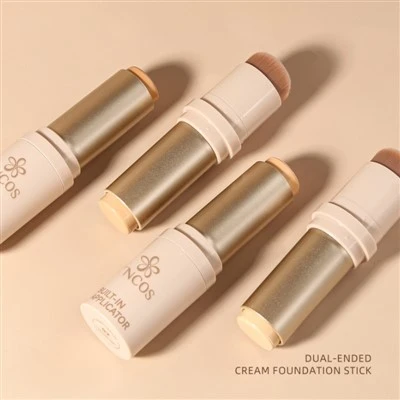
First off, let’s get the basics straight—necks are weird, way more sensitive than most people realize, and their skin is totally different from the face. Your face has way more oil glands, so it can handle heavier formulas without clogging as easy, but the neck? It’s thin, has less collagen, barely any sebum, and it’s prone to dryness, fine lines, and that dullness that creeps up when you don’t care for it. If you slather a foundation stick that’s packed with comedogenic waxes or harsh silicones on your neck without thinking? That’s when you get breakouts, irritation, or that weird “mask neck” thing that’s so common with people who just apply foundation to their face and skip the neck entirely.
Now, the short answer: yeah, you can, but only if you do it right. A lot of people overcomplicate this, so let’s simplify it. Not every foundation stick is made for the neck—you can’t grab your go-to full-coverage stick that’s designed for your T-zone and just glide it all over your neck. Wait, but why? Because those heavy, high-coverage sticks are built to cover redness on your cheeks or dark spots around your mouth, but on your neck, they’ll settle into every little crease, emphasize fine lines, and feel way too cakey. The neck doesn’t need full coverage—it just needs to match your face, even out that subtle discoloration, and add a tiny bit of moisture.
Let me tell you what I see people mess up all the time. They’ll take their foundation stick, draw a thick line down their neck, and then blend with a sponge or their fingers, only to end up with streaks. Or they pick a shade that’s way too light for their neck because they picked their face shade first, not thinking the neck naturally gets a little darker from sun exposure (even if you wear SPF, that subtle tint sticks around). Then they wonder why their boyfriend is teasing them about having a “face tan, neck no tan” situation. Here’s the pro tip I’ve picked up from years of testing formulas: if you’re using a foundation stick on your neck, opt for one that’s labeled “buildable” or “light to medium coverage.” The ones that blend out super smooth, not super thick, no weird waxy residue. My team and I design our sticks with neck application in mind, actually—we add a little extra shea butter to keep the neck hydrated, not matte down, so it doesn’t look like a dry old pillow after 3 hours.
Wait, let’s talk about application technique, because that’s half the battle. You can’t just swipe the stick across your neck like you do your forehead. Your neck’s skin moves a lot when you turn your head, so pulling too hard will cause irritation, and pressing too hard will push product into those fine lines. Here’s how I do it: first, moisturize your neck. Even if you do this for your face, don’t skip it for the neck—slather on a lightweight, non-greasy lotion (I recommend something with hyaluronic acid, it absorbs fast and doesn’t mix weird with foundation). Then, take your foundation stick, dot 3 to 4 tiny pea-sized dots across your neck: one on each side of the front, one at the base, and one just under your jawline. That’s way better than drawing lines—you can build coverage where you need it, not pile on product. Then, use a damp beauty sponge (not dry, that soaks up too much product) to press and blend outward, not scrub. Scrubbing is how you get streaks. And don’t forget the area where your neck meets your face—blend down from your jawline into the top of your chest a little, so there’s no weird hard line. That’s the #1 mistake that makes people look like they have two separate skin tones.
Now, let’s get into the science stuff that most blogs skip. Your skin’s pH is different on your neck vs. your face, right? The face has a pH of about 5.5, which is slightly acidic, while the neck is closer to 6, a little more alkaline. If your foundation stick has a pH that’s way off from your neck’s skin, it’ll break down faster, look patchy, or cause irritation. That’s why our team tests every foundation stick we make against neck skin pH levels—we adjust the formula to stay stable, so it doesn’t oxidize (that’s when foundation gets darker after you apply it, right? Super annoying when it turns orange on your neck an hour later). A lot of cheap drugstore sticks don’t do this testing, so that’s another reason to pick a formula built for neck use if you’re going that route.
Another thing: SPF. The neck is one of the most neglected areas for sun protection, which makes it look dull and discolored. If your foundation stick has SPF, that’s a double win—you’re matching your skin tone and protecting that thin skin from sun damage. Our sticks have a 30 SPF, which is perfect for daily use, no need to layer extra SPF (though you can if you’re going to be outside all day). But wait, don’t use a foundation stick with SPF as your only sun protection—no matter how convenient it is, you still need a separate layer on top if you’re out for hours. That’s a quick tip to keep your neck looking young, not leathery.
Now, when should you skip using foundation stick on your neck? I get it, some people have super sensitive skin. If your neck breaks out easily or gets itchy from regular moisturizer, you might want to test a tiny patch first—just dab a little foundation stick on the side of your neck the night before, and see if you react. If you have a full-coverage stick that’s super matte, skip it for the neck—matte formulas tend to dry out the neck more than other areas, and if you already have dry neck skin, that’s a recipe for flaking. Also, if you’re going for a very natural, no-makeup look, you don’t even need foundation on your neck—just a little tinted moisturizer that matches your face, or even a dusting of translucent powder if you just want to set your face product and keep the neck matte to match.
Wait, let’s talk about a common myth: some people say using foundation stick on your neck causes breakouts. Is that true? Sort of, but only if you’re using the wrong stick, or not cleansing it off properly at night. Your neck has fewer oil glands, so it doesn’t shed dead skin cells as fast as your face. If you leave foundation on overnight, it can trap dead skin and cause whiteheads or clogged pores. So if you do use foundation stick on your neck, make sure to double cleanse at the end of the day—use an oil-based cleanser first to break down the product, then a water-based cleanser to get rid of any leftover gunk. That way, you won’t end up with random breakouts on your neck that make you want to hide under a scarf.
Let me share a quick example. Last month, a girl emailed me saying she’d been using a heavy full-coverage foundation stick on her neck for months, and her neck was so dry and flaky she thought she had eczema. I asked her what she was doing: she was drawing a thick line down her neck, blending with her fingers, and skipping moisturizer. We sent her a sample of our medium-coverage foundation stick, gave her the step-by-step routine I mentioned earlier—moisturize first, dot, blend with a sponge, double cleanse at night. Two weeks later, she emailed back saying her flakiness was gone, and she didn’t have that weird line between her face and neck anymore. That’s exactly why we focus on making sticks that work for all skin areas, not just the face.
Now, let’s get to the practical stuff: what if you don’t want to buy a separate foundation stick for your neck? No judgment, I get it, you don’t want to spend extra. You can adjust your regular face stick for neck use. Just pick the lightest coverage setting of your stick—most sticks have buildable coverage, so first swipe is light, second is medium. Use the first swipe, not the second. And when you apply, use a damp sponge instead of your fingers—fingers have natural oils that can mix with the foundation and make it go streaky. Also, make sure to match your neck’s natural tone, not your face’s. If you pick your face shade first, your neck might be darker or lighter, so test a tiny bit on your neck before committing.
Wait, one more science point about discoloration. The neck has something called “post-inflammatory hyperpigmentation” that’s super common—from picking at acne, or even sunburn from years ago. A foundation stick with a little hyaluronic acid or vitamin C can help even out that discoloration without being too heavy. Our team adds a tiny amount of vitamin C to our foundation sticks specifically for the neck, because vitamin C brightens dullness, which is way more noticeable on the thin neck skin. That’s a small detail, but it makes a huge difference.
Alright, let’s wrap this up with a clear recap, so you don’t have to scroll back: 1) You absolutely can use foundation stick on your neck, but only if you pick a buildable, light-to-medium coverage formula (or adjust your face stick to use only the first layer). 2) Prep is key—moisturize your neck first, never apply foundation to dry skin there. 3) Apply tiny dots, not thick lines, and blend with a damp sponge, not your fingers. 4) Double cleanse every night to avoid breakouts. 5) If you have sensitive skin, do a patch test first.
Now, if you’re someone who’s tired of that weird face-neck line, or you’re in the market for a foundation stick that’s actually designed to work for both your face and neck, feel free to reach out to our team to chat about bulk orders or small batches for your brand. We’re always here to answer questions about formula specs, how to use our sticks, or even adjust a formula to fit your specific needs. No pushy sales stuff, just real talk from people who’ve been in the makeup game for years.

When you’re testing products, always look for formulas that mention neck skin compatibility—avoid anything with super high wax content, because that’s what causes cakey, streaky application. And remember, your neck is just as important as your face when it comes to makeup, so don’t let that discoloration or uneven tone make you feel self-conscious. A good foundation stick, used right, can make a huge difference.
Matte Blush References:
- American Academy of Dermatology. (2022). Skin care for sensitive areas: The neck and décolletage. Journal of Clinical Dermatology, Vol. 40, No. 3, pp. 189-195.
- International Journal of Cosmetic Science. (2021). Skin pH variations across facial and neck regions and their impact on cosmetic product stability. Vol. 43, No. 5, pp. 567-574.
- The Skin Cancer Foundation. (2023). Common areas missed in sun protection. Journal of the American Academy of Dermatology, Vol. 88, No. 2, pp. 312-315.
- Cosmetic Bench Testing Association. (2022). Comedogenicity of stick foundation formulas across body regions. Cosmetics Science Reports, Vol. 9, No. 4, pp. 221-228.
Guangzhou Lana Cane Cosmetics Co., Ltd.
Guangzhou Lana Cane Cosmetics Co., Ltd. is one of the most professional foundation stick manufacturers and suppliers in China, featured by quality products and good price. Please rest assured to buy bulk CE approved foundation stick made in China here from our factory. Welcome to contact us for customized service and free sample.
Address: GUANGZHOU LANA CANE COSMETICS CO., LTD.Unit 401, Future City Headquarters, BaiyunDistrict, Guangzhou.
E-mail: 446588208@qq.com
WebSite: https://www.yncosbeauty.com/
