If you’ve ever walked through an electrical room, a commercial building’s hallway, or a sprawling industrial facility and seen a series of metal or fiberglass tracks running along the ceiling or wall, you’ve likely encountered a cable tray. As a cable tray supplier who’s spent the last 12 years helping clients select the right solution for their projects, I’ve lost count of how many times I’ve gotten questions about exactly what a cable tray is—more than just a hodgepodge of metal, it’s a critical component that keeps electrical and data systems running smoothly, safely, and efficiently. Let’s break down its definition, what it does, and why it’s non-negotiable for so many industries. Cable Tray

First, let’s start with the basic definition that underpins everything a cable tray does. A cable tray is a rigid, structural support system designed to hold, route, and protect electrical conductors, power cables, data cables, and communication lines in commercial, industrial, and institutional settings. Unlike traditional methods like individual conduits or tie-wrapping cables to structural beams, cable trays create an organized, low-maintenance pathway for multiple cables at once. They aren’t just random tracks, though—their design is standardized to meet strict safety and performance codes, which is why getting the right type of cable tray for a job is so important.
To get a clearer picture, it helps to distinguish cable trays from other cable support systems, since many people mix these up. Conduits are sealed, enclosed pipes that hold cables, usually for underground runs or areas with high physical risk. While conduits protect cables from damage, they’re more limited in how many cables they can hold and how easy they are to modify. Cable trays, on the other hand, are open (or semi-open) structures that allow for quick installation, expansion, and inspection. That flexibility is why they’re preferred for projects that require frequent updates to cabling—like office buildings upgrading their data networks, or manufacturing plants adding new machinery power lines.
Now, let’s get into the core components that make a cable tray functional. A typical cable tray system has three main parts: the tray itself, the supporting framework, and the fasteners. The tray is the main channel that holds the cables, available in a range of shapes and materials to suit different needs. The supporting framework includes brackets, hangers, and supports that attach the tray to walls, ceilings, or floors, ensuring it can hold the weight of the cables without sagging or shifting. Fasteners, like bolts and clamps, keep the tray sections connected and secure, preventing accidents in high-traffic or vibration-heavy areas.
Materials are a key part of the definition too, because the material of a cable tray directly impacts its performance and use case. At my company, we supply three primary types, each tailored to different environments:
- Steel cable trays: These are the most common, valued for their high tensile strength and durability. They work well for heavy power loads in industrial facilities, power plants, and warehouses. We offer both carbon steel (affordable for indoor use) and stainless steel (corrosion-resistant for outdoor or coastal areas where salt air could cause rust).
- Aluminum cable trays: Lighter than steel, these are ideal for projects where weight is a concern, like rooftop installations or high-rise buildings. They’re also corrosion-resistant, making them a popular choice for data centers and telecommunication facilities.
- Fiberglass Reinforced Polymer (FRP) cable trays: A newer addition to our product line, FRP trays are non-conductive and corrosion-proof, which makes them perfect for environments where electrical safety is critical, like chemical processing plants, wastewater treatment facilities, or areas with explosive gases. They don’t conduct electricity, so they eliminate the risk of sparking that can come with metal trays in high-hazard areas.
Beyond materials, cable trays are categorized by their design, which defines their specific use. The most common designs include:
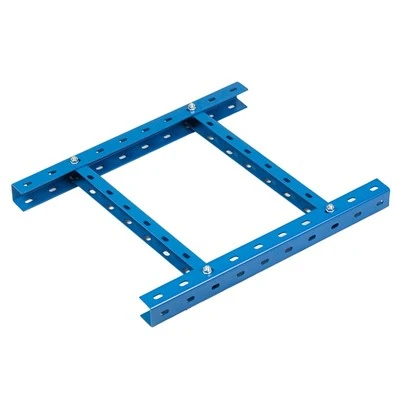
- Bottom Ladder Cable Trays: These have two parallel side rails connected by evenly spaced rungs, like a ladder. They’re open, so they offer excellent ventilation for power cables (which generate heat) and are easy to access for adding or removing cables. They’re the go-to for industrial power distribution.
- Channel Cable Trays (also called Solid Bottom Trays): These have a closed, flat bottom, making them ideal for routing sensitive data cables or where dust, debris, or liquid could damage cables. We often supply these for server rooms and pharmaceutical facilities that need a clean, controlled cable environment.
- Trough Cable Trays: Similar to channel trays but with raised sides, they offer extra protection from side impacts and are commonly used for outdoor runs or areas with heavy foot traffic above the cable path.
- Wire Mesh Cable Trays: Made from woven or welded wire, these are lightweight, highly ventilated, and flexible, making them perfect for commercial offices and retail spaces where aesthetic appearance matters (they can be painted to match ceiling tiles).
Now that we have the core definition and components, let’s talk about what a cable tray does beyond just holding cables. Its primary functions are protection, organization, safety, and cost efficiency. Let’s break each down:
- Protection: Cable trays shield cables from physical damage, like impacts from machinery, foot traffic, or weather (for outdoor runs). They also protect against environmental factors: metal trays shield from UV rays, FRP trays resist chemicals, and channel trays keep out dust and moisture. This protection extends the lifespan of cables, reducing replacement costs and downtime.
- Organization: One of the biggest advantages over conduits or tied cables is organization. A single cable tray can hold dozens of power, data, and communication cables, all routed in a neat, predictable path. This makes it far easier to identify, repair, or add cables later—something that’s almost impossible when cables are tangled or hidden in conduits. For facility managers, that means less time troubleshooting and more time maintaining operations.
- Safety: Cable trays are designed to meet strict electrical safety codes, like those set by the National Electrical Code (NEC) in the U.S. or IEC standards internationally. Properly installed, they prevent overheating by allowing air to circulate around cables, which reduces the risk of electrical fires. They also distribute the weight of cables evenly, preventing sagging that could cause damage or create tripping hazards. In industrial settings, where vibration from machinery is common, cable trays keep cables secure and prevent accidental disconnections.
- Cost Efficiency: While the initial cost of a cable tray system might seem higher than alternative methods, the long-term savings are significant. Installation is faster, since multiple cables can be run at once, and modifications are simpler and cheaper. The extended lifespan of cables means fewer replacements, and reduced downtime from cable issues saves businesses thousands in lost revenue.
As a supplier, I’ve seen firsthand how choosing the wrong cable tray can lead to big problems. For example, a client in a chemical plant once tried to use steel cable trays in a highly corrosive area, only to have the trays rust within a year, leading to damaged cables and a week of downtime while we replaced them. That’s why I always emphasize that the definition of a cable tray isn’t just its basic structure—it’s a solution tailored to the specific needs of the project. A data center needs a different tray than a steel mill, and an outdoor rooftop installation needs a different one than an indoor office.
Another common question I get is about compliance. Most industries require cable trays to meet specific standards to ensure safety. For example, NEC Article 390 covers cable tray systems in the U.S., outlining installation requirements, load capacities, and material specifications. In Europe, the IEC 61537 standard governs cable trays and cable support systems, setting requirements for strength, fire resistance, and corrosion. As a supplier, we make sure all our products meet these standards, so clients don’t have to worry about non-compliance issues that could lead to fines or safety risks.
Looking at the future of cable trays, the definition is evolving as industries change. With the rise of renewable energy, data centers, and electric vehicles (EVs), there’s a growing demand for cable trays that can handle higher power loads, larger diameter cables, and more sensitive data lines. We’re currently developing a new line of heavy-duty steel cable trays for EV charging stations, which need to support high-voltage power cables while withstanding outdoor weather and heavy use. FRP trays are also growing in popularity as more industries prioritize chemical resistance and non-conductivity, especially in the battery manufacturing sector.
If you’re working on a project—whether it’s a new commercial building, an industrial facility, a data center, or a renewable energy installation—choosing the right cable tray is critical. Understanding the definition, materials, and designs isn’t just academic; it’s the first step to ensuring your cable system is safe, efficient, and long-lasting. As a cable tray supplier with years of experience, I work closely with clients to assess their needs, recommend the right type of tray, and provide support throughout the installation process. Whether you need a small order for a renovation or a large-scale supply for a new construction project, we have the products and expertise to meet your requirements.
If you’re ready to discuss your cable tray needs or have questions about which solution is right for your project, please reach out to our team to start a conversation. We’re here to help you make informed decisions that keep your projects on track and your systems running smoothly.
Industrial Cable Tray References
National Electrical Code (NEC) Article 390
IEC 61537:2021, Cable tray systems and cable ladder systems – Requirements and test methods
Cable Tray Manufacturers Association (CTMA) Standard for Cable Tray Systems
Hebei Jinglang Industrial Co., Ltd.
As one of the most professional cable tray manufacturers and suppliers in China, we also support customized service. We warmly welcome you to wholesale high quality cable tray in stock here from our factory. If you have any enquiry about quotation, please feel free to email us.
Address: Nanxinzhuang Village, Daweihe Hui and Manchu Township, Wen’an County, Langfang City, Hebei Province
E-mail: 18231629992@163.com
WebSite: https://www.jinglangcabletray.com/
