If you’ve ever stood in a production workshop watching a milling cutter chatter, leave inconsistent surface finishes, or wear out way too fast mid-job, you know the small but critical role the cutter holder plays in that chaos. As someone who’s spent the last decade designing and supplying milling cutter holders for job shops and large aerospace manufacturers alike, I’ve lost count of how many conversations start with, “My cutter performance sucks—could my holder be the problem?” More often than not, that’s exactly what it is. A milling cutter is only as good as the tool holding that locks it to your spindle. Skip the basics, and even a $500 carbide end mill will underperform faster than a cheap steel one. Today, I’m breaking down the science-backed steps to get more life, accuracy, and speed out of every milling cutter you use—no magic tricks, just hard-earned lessons from my time in this business. Milling Cutter Holders
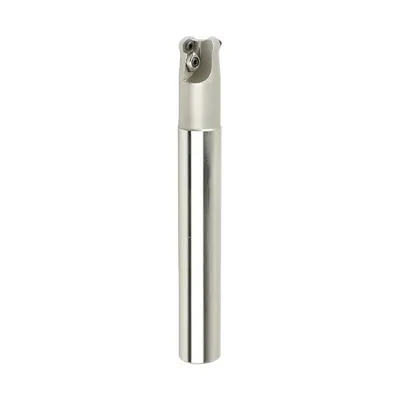
First, let’s cut through the confusion around tool holder types, because this is the single biggest mistake I see new operators and even some veteran machinists make. Not all holders are created equal, and picking the wrong one for your job is like using a wrench to drive a nail. Let’s start with the most common categories: ER collet holders, heat-shrink holders, hydraulic expansion holders, and side-lock holders. I’ve had customers buy a cheap ER collet holder for high-torque aluminum milling, and wonder why their cutter slips halfway through a roughing pass. ER collets are great for small, light milling, finishing operations, and general-purpose work—they give decent runout (typically 0.001” at 4x diameter, if you buy quality ones) and are cheap to replace. But they can’t hold high torque, especially with large diameter cutters or heavy material removal. Heat-shrink holders, on the other hand, are my go-to for precision and high-speed applications. They work by heating the holder’s bore to expand it, slipping in the cutter, and letting it cool to create a 360-degree friction fit. Runout is often under 0.0005” at 3x diameter, which is game-changing for finishing and 5-axis work where even a tiny runout will leave a uneven surface. The only catch? You need a heat tool, and swapping cutters takes a little more time. Hydraulic holders are a middle ground—they use pressurized oil to grip the cutter, balancing runout and torque well, and are faster to swap than heat-shrink. Side-lock holders are the budget workhorse for heavy roughing, but their set screw creates a flat spot on the cutter and runout of 0.002” or worse. That means more vibration, more wear, and more parts that don’t meet print tolerances. The key here is matching holder rigidity, grip strength, and runout to your specific operation, not just grabbing the cheapest one off the shelf.
Next, if you’ve got a good holder and it’s still underperforming, it’s probably a setup issue—and this is where 80% of the performance gains come from, in my experience. The first rule of setup is keeping the projection length (or “stickout”) as short as possible. I can’t tell you how many times I’ve watched an operator extend a ½” cutter holder all the way to reach the bottom of a deep slot, when they could have used a shorter holder. Every inch of extra stickout adds flex to the system—flex that turns into chatter, breaks cutters, and reduces cutting speed by as much as 30% in deep operations. As a rule of thumb, stickout should be no more than 3x the cutter’s diameter for roughing, and 5x at absolute maximum for finishing. If you really need a long reach, don’t just stretch your standard holder—use a precision extension holder that’s designed to maintain runout, or go with a stub-length cutter. Stub-length cutters are stiffer than standard or long-length ones for the same diameter, and swapping that out is way cheaper than replacing a bent holder or broken end mill.
Another huge setup mistake I see is not properly seating the collet or cutter in the holder. For ER collet holders, a common trick is to pull the collet partway out of the holder before inserting the cutter, then push the collet all the way back into the bore before tightening the nut. If you just stick the collet and cutter in and crank down, you’ll often have the collet misaligned, which creates runout and uneven grip. For heat-shrink holders, always clean the bore of the holder and the shank of the cutter with isopropyl alcohol before heating. Even a tiny bit of chip or oil on the surfaces will prevent a tight fit, leading to slippage and overheating. I once had a customer send back a set of heat-shrink holders claiming they “grip poorly,” and it turned out he was wiping his cutters on a dirty shop rag before loading them. That’s a $200 mistake fixed with a $5 can of cleaner.
Then there’s the often-overlooked area of holder maintenance and balancing, especially for high-speed milling. If you’re running a spindle over 10,000 RPM, unbalanced holders will cause vibration that wears out your spindle bearings, leaves bad part finishes, and even puts operators at risk. Most machinists don’t realize that holders need to be re-balanced every time you swap out a cutter, or if you drop the holder (even a small drop can throw off its balance). I recommend using G2.5 balance quality for most general milling, and G1 for high-speed or 5-axis work. The good news is that this isn’t as complicated as it sounds—most tool presets or on-machine balancers can do it in a minute, and it’s a small step that adds up to big gains in cutter life and part quality. Also, regularly inspect your holders for wear. ER collets crack after hundreds of uses, heat-shrink bores can get distorted if you overheat them, and side-lock set screws get stripped. A 50-cent collet that’s cracked will cause more runout than a $500 high-end holder. Spend a few minutes every shift checking your holders, and replace worn parts before they become a problem.
Now, let’s talk about load and speed, because even the best holder won’t perform if you’re pushing it beyond its limits. Every holder has a maximum torque and power rating for a given cutter diameter. If you’re using a side-lock holder for roughing 6061 aluminum with a 1” end mill, and you’re taking a ¼” depth of cut at 500 RPM, you’re way underutilizing your system—but if you’re using that same holder to run a ½” carbide end mill at 2,000 RPM taking a ½” depth of cut, you’re going to get slippage and possible cutter breakage. Check the holder’s specifications: a good hydraulic holder for ½” shank tools can handle up to 1,200 Nm of torque, while an ER16 collet holder maxes out at around 200 Nm. Match your cutting parameters to the holder’s grip strength, and you’ll see a huge reduction in cutter wear. Also, use internal coolant whenever possible. Most high-end holders are designed with through-coolant holes that direct coolant directly to the cutter’s cutting edges, reducing heat and flushing out chips. If you’re not using through-coolant, you’re limiting your cutting speed by as much as 40%, and your cutters will wear faster because they’re running hotter. Even if your machine doesn’t have through-coolant capability, you can get external coolant nozzles that aim directly at the cut—this is a cheap upgrade that makes a big difference.
I’ve seen all the myths out there about enhancing cutter holder performance. Some people swear by adding shims to collets, or lubricating heat-shrink bores (don’t do that—lubrication will weaken the grip). Others believe that more expensive holders are always better, but that’s not true either. A $100 ER collet holder from a reputable supplier will outperform a $50 heat-shrink holder from a no-name brand in many applications. The key is matching the holder to your job, maintaining it properly, and setting it up correctly.
At the end of the day, the goal is to get consistent, high-quality parts, reduce tooling costs, and keep your machines running smoothly. If you’re dealing with chatter, poor surface finishes, or frequent cutter breakage, start with these steps: audit your holder types for each operation, shorten your stickout, clean and seat components properly, balance holders at your operating speed, and match cutting parameters to your holder’s ratings. These steps aren’t just theoretical—they’re what we tell every customer who comes to us frustrated with their tooling performance, and 9 times out of 10, they see immediate improvements.
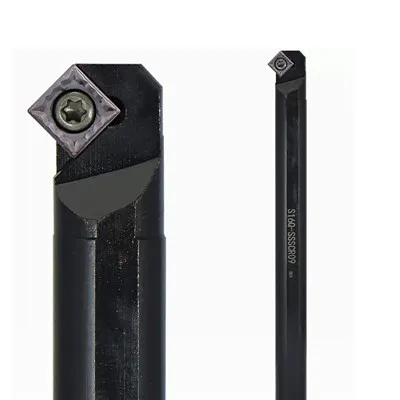
If you’re looking to upgrade your tool holders to get better performance from your milling cutters, or you have questions about which type is right for your operations, feel free to reach out to discuss your specific needs. The right tool holder is an investment in your efficiency, and we’re here to help you make the right choice for your shop.
Milling Cutter Holders References
- Tool Holder Technology for High-Performance Machining, Modern Machine Shop, 2021.
- Cutting Tool Application Guidelines, National Institute of Standards and Technology (NIST), 2019.
- Balancing for High-Speed Machining, Society of Manufacturing Engineers (SME), 2020.
- Collet and Tool Holder Best Practices, Manufacturing Engineering Magazine, 2022.
Small Craftsman (Shandong) Machine & Tools Co., Ltd.
Small Craftsman (Shandong) Machine & Tools Co., Ltd. is one of the most experienced milling cutter holders manufacturers and suppliers in China, also supports customized service with low price. Please feel free to buy bulk high quality milling cutter holders in stock here from our factory. Contact us for pricelist.
Address: No.9 Quanxin Rd., Sishui Economic Developing Zone, Jining, Shandong, China.
E-mail: 6196@ocutchina.com
WebSite: https://www.ocutooling.com/
