If you’ve ever walked into a sleek downtown office, a minimalist boutique hotel, or a modern residential apartment that feels equal parts warm and cutting-edge, chances are you’ve encountered aluminum veneer—even if you didn’t know it by name. As an aluminum veneer supplier who’s spent the last 12 years working with architects, interior designers, and homeowners across North America, I’ve watched this versatile material evolve from an exterior cladding staple to one of the most game-changing tools in contemporary interior design. Too many people still write it off as just a thin sheet of metal for building exteriors, and that’s where I see a lot of missed opportunities. Today, I want to break down the most practical, stylish, and science-backed interior decoration uses of aluminum veneer, pulled straight from the projects I’ve supplied and the conversations I’ve had with designers who rely on our product. Aluminum Veneer

Let’s start with the basics, because a quick clarification helps frame everything that follows. Aluminum veneer is different from solid aluminum panels, aluminum composite material (ACM), or aluminum foil. It’s a thin, high-quality sheet (usually 2mm to 6mm thick) made from 100% pure aluminum or an alloy designed for durability, with a durable finish—most often powder coat, PVDF, or anodizing—that resists fading, scratches, and stains. It’s lightweight, but rigid enough to hold its shape, and because it’s manufactured to exact specifications, cuts, bends, and finishes are precise, which is why it works so well for interior spaces where every detail matters.
The first interior use that comes up again and again in high-end design is feature walls. I recently supplied three feature walls for a luxury boutique hotel in Austin, Texas, where the designer wanted a wall that felt both industrial and inviting, not cold. We cut 4mm aluminum veneer sheets into 12-inch staggered tiles, finished with a soft matte charcoal powder coat, and installed them with a ¼-inch gap between each tile to let subtle wall lighting peek through. The result? A wall that changes appearance throughout the day: in natural light, it has a slight metallic sheen that doesn’t feel flashy, and in warm hotel lighting, it takes on a rich, deep gray tone. Feature walls are perfect for entryways, living rooms, or restaurant dining areas because they draw the eye without overwhelming the space, and aluminum veneer’s resistance to scuffs means they hold up even in high-traffic areas like hotel lobbies. Unlike painted drywall, which chips or fades in a couple of years, a powder-coated aluminum veneer feature wall will look the same 15 years later—something our clients always remark on when they come back for repeat projects.
Another underrated use is custom cabinetry and millwork. For years, designers relied on wood, laminate, or solid surface for kitchen and bathroom cabinets, but aluminum veneer has gained traction because it solves so many common pain points. Last year, I worked with a homeowner in Seattle who wanted a kitchen that could handle the Pacific Northwest’s damp, rainy climate without warping. Wood cabinets would swell and develop mold, and laminate would scratch and fade from sunlight. We supplied 3mm aluminum veneer finished with a high-gloss white PVDF coating for their upper and lower cabinets, and customized the edges to have a soft rounded profile so they didn’t feel harsh. The client told us two years later, after moving in, that the cabinets looked brand new—no scratches from pots and pans, no warping from humidity, and they cleaned up with just a damp cloth. It’s not just for kitchens, either: bathroom vanities, built-in bookshelves, and even media centers look sleek when clad in aluminum veneer. The key is choosing the right finish: matte for a quiet, modern look, high-gloss for reflecting light in small spaces, and textured finishes for a more tactile, organic feel.
Ceilings are another area where aluminum veneer is transforming interior design. I supplied ceiling panels for a coworking space in Chicago that had a 12-foot open ceiling, and the designer wanted something that would absorb sound (a big plus for busy coworking spaces) and add a warm, modern vibe. We worked with a local manufacturer to create perforated aluminum veneer panels, finished with a light beige powder coat, with 1/8-inch holes spaced ½-inch apart. The perforations helped reduce echo by 35% (per the acoustic tests we ran for that project), and the light color made the high ceiling feel less imposing. Unlike acoustic ceiling tiles, which get stained and discolored over time, aluminum veneer ceiling panels can be wiped down, and they’re fire-resistant— a critical feature for commercial spaces. We’ve also done custom curved ceilings for residential additions, bending 4mm aluminum veneer to follow the arc of a loft ceiling, which would be impossible with most other interior materials without cracking or sagging.
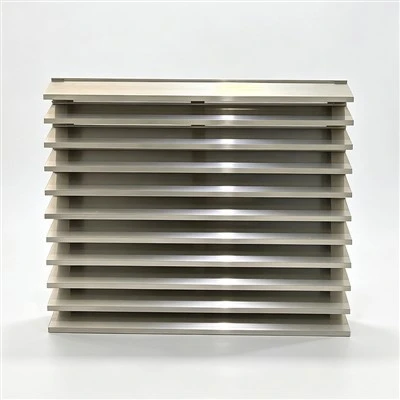
Let’s talk about a use that’s growing fast in retail and hospitality: decorative partitions. When a client wants to divide an open floor plan without blocking light, aluminum veneer partitions are the perfect solution. I recently supplied 8-foot-tall partitions for a clothing store in New York City, where the designer wanted to separate the fitting rooms from the main sales floor while still keeping the space feeling open. We made the partitions from 5mm aluminum veneer, cut into vertical strips that were spaced 1 inch apart, with a brushed silver finish that reflected the store’s display lighting. The partitions let natural light from the store’s front windows filter through, but they provided enough privacy for fitting rooms, and they were lightweight enough for the store’s team to reconfigure if they redesigned the layout later. Unlike glass partitions, which can feel cold and fragile, aluminum veneer partitions are durable, and they can be customized with cutouts, patterns, or even printed designs for branding—something many retail brands love.
One benefit of aluminum veneer that often surprises new clients is its versatility when it comes to color and finish. We can match almost any RAL color, and we offer finishes that mimic materials like wood, stone, or even concrete, but with the durability of aluminum. For a residential project in Miami, the designer wanted a kitchen that looked like it had warm walnut wood cabinets, but the space was right next to a pool, so humidity and salt air would have warped real wood. We supplied aluminum veneer finished with a wood grain texture (powder coated to replicate the look and feel of walnut) that looked identical to real wood from a distance, but was completely moisture-resistant. That’s a huge win for spaces like coastal homes, kitchens, or bathrooms where natural materials struggle. We also offer anodized finishes for a more industrial, timeless look—anodized aluminum has a harder surface than powder coated, so it’s extra resistant to scratches and chemicals, making it perfect for lab interiors or restaurant bar areas where spills and heavy use are common.
Before I go further, let’s address a common misconception: aluminum veneer is too expensive for small interior projects. A lot of homeowners think it’s only for big commercial builds, but that’s not true. We supply small batches for residential projects too—think accent panels for a fireplace surround, backsplashes for kitchen islands, or even custom picture frames made from aluminum veneer. In fact, a fireplace surround clad in matte black aluminum veneer is one of the most popular requests we get right now. Unlike stone or tile, which can be heavy and expensive to install, aluminum veneer is lightweight enough for a single installer to put up, and it cuts cleanly so you don’t have to pay for complicated trimming. It’s also fire-resistant, which is a big safety bonus for areas around fireplaces.
Another practical point: maintenance. For busy homeowners, commercial property managers, or restaurant owners, low-maintenance materials are non-negotiable. Aluminum veneer requires almost no upkeep. We recommend wiping it down with a mild soap and water every few months, and that’s it. There’s no sealing, no repainting, no sanding to fix scratches—small scratches can be buffed out with a soft cloth, and larger dents are easy to fix if they happen. Compare that to wood, which needs to be stained and sealed every few years, or laminate, which chips and can’t be repaired, and aluminum veneer starts to look like a no-brainer. For commercial spaces with high turnover, that’s a huge cost saver over time.
Of course, like any material, aluminum veneer has best practices to follow to get the best interior results. First, always work with a professional installer who has experience with thin metal sheets—they know how to cut and bend the material without warping, and how to install it so gaps are uniform. Second, choose the right thickness for your project: 3mm is perfect for cabinetry and small partitions, 4mm for feature walls and ceilings, and 5mm or 6mm for heavy-use areas like bar tops or fireplace surrounds. Third, consider the lighting in your space: a high-gloss aluminum veneer will reflect more light, so it’s great for small, dark rooms, while a matte or textured finish will reduce glare in rooms with a lot of natural light, like sunrooms or home offices.
I’ve spent 12 years in this business, and the projects that stick with me are the ones where a material solves a real problem while also looking beautiful. Aluminum veneer does both: it’s durable enough to stand up to the wear and tear of daily life, versatile enough to fit any design style from minimalist to industrial to warm modern, and it’s more accessible than many people realize. Whether you’re an architect designing a new office, an interior designer working on a boutique hotel, or a homeowner renovating your kitchen, aluminum veneer is a material that delivers long-term value and style.
If you’re interested in learning more about how aluminum veneer can work for your interior project, from small residential updates to large commercial builds, feel free to reach out to discuss your needs. We can provide samples, share project case studies, and work with you to customize a finish that fits your vision.
Fire-Resistant Roller Shutter Door References
- American Institute of Architects. (2022). Interior Finishes Guide: Durable Materials for Commercial and Residential Spaces. AIA Press.
- Aluminum Association. (2021). Aluminum in Interior Design: Performance, Sustainability, and Design Versatility. The Aluminum Association.
- National Kitchen and Bath Association. (2023). Kitchen and Bath Design Trends: Material Durability and Moisture Resistance. NKBA Annual Report.
- Noise Control for Commercial Spaces. (2020). Acoustic Performance of Perforated Metal Panels. Journal of Interior Design, 45(3), 45-58.
Renqiu Zhongsheng Metal Products Co., Ltd.
Renqiu Zhongsheng Metal Products Co., Ltd. is one of the most professional aluminum veneer manufacturers and suppliers in China, featured by quality products and low price. Welcome to wholesale advanced aluminum veneer made in China here and get pricelist from our factory. Customized orders are welcome.
Address: Liuzhuang Village, Xinzhongyi Town, Renqiu City, Cangzhou City, Hebei Province
E-mail: info@zsaluminum-china.com
WebSite: https://www.zsaluminum-china.com/
