Hey there! As a supplier of other escalator parts, I’ve got a ton of experience dealing with all sorts of components that keep those escalators running smoothly. One question that often pops up is, "Are there any special storage conditions for other escalator parts?" Well, let me tell you, the answer is a big yes! In this blog, I’m gonna break down why proper storage is crucial and what you need to know to keep your parts in top-notch condition. Other Escalator Parts

First off, let’s talk about why storage conditions matter so much. Escalator parts are made from a variety of materials, including metals, plastics, and rubber. Each of these materials can be affected by different environmental factors, such as temperature, humidity, and exposure to chemicals. If these parts aren’t stored correctly, they can deteriorate over time, leading to performance issues and even safety hazards.
Let’s start with temperature. Most escalator parts are designed to operate within a certain temperature range, and the same goes for storage. Extreme heat or cold can cause materials to expand or contract, which can lead to warping, cracking, or other forms of damage. For example, rubber parts like belts and gaskets can become brittle in cold temperatures, while plastic parts can soften and deform in high heat.
So, what’s the ideal temperature for storing escalator parts? Well, it depends on the specific part, but in general, a temperature range of 50°F to 80°F (10°C to 27°C) is recommended. This range helps to keep the materials stable and prevents any unwanted changes in their properties. If you’re storing parts in a warehouse or storage facility, make sure it’s climate-controlled to maintain a consistent temperature.
Humidity is another important factor to consider. High humidity levels can cause metal parts to rust and corrode, which can weaken their structure and reduce their lifespan. Plastic parts can also absorb moisture, which can lead to swelling and deformation. On the other hand, low humidity levels can cause rubber parts to dry out and crack.
To prevent these issues, it’s important to keep the humidity level in your storage area between 30% and 50%. You can use a dehumidifier to reduce humidity levels if necessary, or a humidifier to increase them in dry environments. It’s also a good idea to store parts in sealed containers or bags to protect them from moisture.
Exposure to chemicals is another potential problem when it comes to storing escalator parts. Many chemicals, such as solvents, cleaners, and lubricants, can react with the materials in the parts and cause damage. For example, some solvents can dissolve plastic parts, while certain cleaners can corrode metal surfaces.
To avoid this, make sure to store your parts away from any chemicals or substances that could potentially damage them. If you need to clean or lubricate the parts, use only the recommended products and follow the manufacturer’s instructions carefully.
Another important aspect of storage is the way the parts are arranged and organized. Storing parts in a haphazard manner can lead to damage, as they can get bumped, scratched, or crushed. It’s important to use proper storage racks, shelves, and containers to keep the parts safe and secure.
Make sure to label each container or rack clearly so that you can easily find the parts you need. You can also use a inventory management system to keep track of your stock and ensure that you have the right parts available when you need them.
Now, let’s talk about some specific types of escalator parts and the storage conditions they require.
Motor and Drive Components
Motors and drive components are the heart of an escalator, and they need to be stored carefully to ensure their proper functioning. These parts are typically heavy and bulky, so it’s important to use a sturdy storage rack or pallet to support them.
Make sure to keep the motors and drives in a clean, dry environment, away from any sources of moisture or dust. You can also cover them with a protective sheet or tarp to prevent any damage from debris or spills.
Rails and Tracks
Rails and tracks are essential for guiding the escalator steps and ensuring their smooth movement. These parts are usually made of metal and can be prone to rust and corrosion if not stored properly.
To prevent this, it’s important to keep the rails and tracks clean and dry. You can use a rust inhibitor or coating to protect them from moisture and oxidation. It’s also a good idea to store them in a vertical position to prevent them from bending or warping.
Step Chains and Sprockets
Step chains and sprockets are responsible for moving the escalator steps up and down. These parts are made of metal and can be affected by wear and tear over time.
To extend the lifespan of the step chains and sprockets, it’s important to keep them lubricated and free from dirt and debris. You can use a specialized lubricant designed for escalator parts to keep them running smoothly. It’s also a good idea to store them in a sealed container to prevent any contamination.
Electrical Components
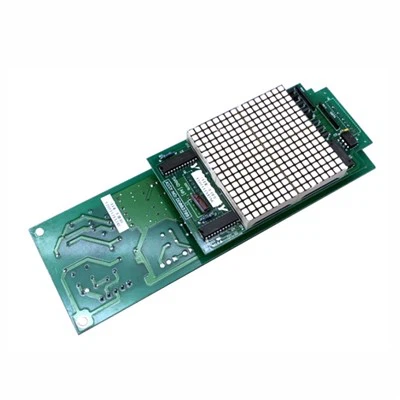
Electrical components, such as control panels, sensors, and wiring, are crucial for the operation of an escalator. These parts are sensitive to moisture, heat, and static electricity, so it’s important to store them in a protected environment.
Make sure to keep the electrical components in a dry, cool place, away from any sources of heat or humidity. You can also use anti-static bags or containers to prevent any static electricity from damaging the components.
Handrails
Handrails are an important safety feature of an escalator, and they need to be stored properly to ensure their durability and functionality. These parts are usually made of rubber or PVC and can be affected by temperature, humidity, and sunlight.
To prevent damage to the handrails, it’s important to store them in a cool, dry place, away from direct sunlight. You can also cover them with a protective sheet or tarp to prevent any damage from debris or spills.
In conclusion, proper storage conditions are essential for maintaining the quality and performance of other escalator parts. By following the guidelines outlined in this blog, you can ensure that your parts remain in good condition and are ready to use when you need them.
If you’re in the market for other escalator parts, I’d love to help. As a supplier with years of experience in the industry, I can provide you with high-quality parts at competitive prices. Whether you’re looking for motors, rails, chains, or any other component, I’ve got you covered.
Feel free to reach out to me if you have any questions or if you’re interested in discussing your specific needs. I’m always happy to help and look forward to working with you.
Elevator Tension Device References
- Manufacturer’s guidelines for escalator parts
- Industry standards for escalator maintenance and storage
Sanjin Elevator Parts Co., Ltd.
Sanjin Elevator Parts Co., Ltd. is one of the most professional other escalator parts manufacturers and suppliers in China, featured by quality products and good service. Please rest assured to buy or wholesale high-grade other escalator parts at competitive price from our factory.
Address: 18th Floor, Xinyuan Center, Fenghe Road, Xi’an, Shaanxi, China
E-mail: elevatorparts@westdt.com
WebSite: https://www.sanjinelevator.com/
