Hey there! I’m a supplier of insect pest control fertilizer, and today I want to chat about how our product impacts soil quality. It’s a super important topic, especially for farmers, gardeners, and anyone who cares about the health of the land. Insect Pest Control Fertilizer
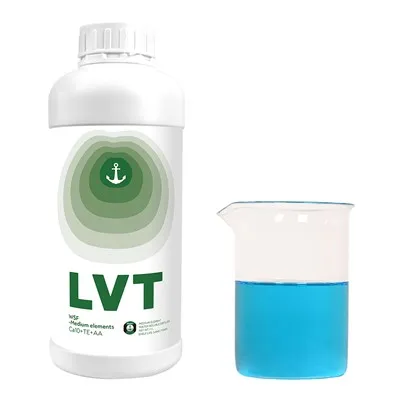
What’s in Insect Pest Control Fertilizer?
First off, let’s talk about what’s actually in our insect pest control fertilizer. It’s a blend of two main things: nutrients for the plants and pest – control elements. The nutrients are like the food for your plants. We’ve got nitrogen, phosphorus, and potassium, which are the big three in plant nutrition. Nitrogen helps with leafy growth, giving your plants that lush, green look. Phosphorus is all about root development and flower and fruit production. And potassium makes the plants more resistant to diseases and stresses.
As for the pest – control part, we use natural and synthetic substances. Natural ones can be stuff like neem oil, which is extracted from the neem tree. It’s got antifeedant and repellent properties against a whole bunch of insects. Synthetic chemicals are carefully selected too. They’re designed to target specific pests while causing as little harm as possible to the environment.
How It Affects Soil Microorganisms
Soil is like a living, breathing ecosystem, and it’s full of microorganisms. Bacteria, fungi, and protozoa are all part of this underground community. They do a lot of important jobs, like breaking down organic matter, fixing nitrogen, and making nutrients available to plants.
Our insect pest control fertilizer can have both positive and negative impacts on these microorganisms. On the positive side, the nutrients in the fertilizer can stimulate the growth of some beneficial bacteria. For example, the nitrogen in the fertilizer can help nitrogen – fixing bacteria thrive. These bacteria convert atmospheric nitrogen into a form that plants can use, which is a huge help for plant growth.
But there can be negatives too. Some of the pest – control chemicals in our fertilizer might be harmful to certain types of soil fungi. These fungi form symbiotic relationships with plant roots, called mycorrhizae. They help the plant absorb water and nutrients more efficiently. If the pest – control chemicals damage these fungi, it can affect the plant’s ability to get what it needs from the soil.
Soil Structure and Fertilizer
Soil structure is another key aspect of soil quality. Good soil structure allows for proper water infiltration, air movement, and root penetration. When we apply our insect pest control fertilizer, it can impact soil structure in different ways.
The nutrients in the fertilizer can promote plant growth. As plants grow, their roots help to bind the soil particles together. This is especially true for plants with fibrous root systems. The roots create channels in the soil, which improves water drainage and aeration. So, in this way, the fertilizer indirectly helps to improve soil structure.
However, the pest – control chemicals can sometimes have a negative effect. If over – applied, they can cause soil particles to clump together in an unhealthy way. This can reduce water infiltration and air movement in the soil. It’s a delicate balance, and that’s why we always recommend following the application instructions carefully.
Nutrient Cycling in the Soil
Nutrient cycling is how nutrients move through the soil, from the organic matter to the plants and back again. Our insect pest control fertilizer plays a role in this cycle too.
The nutrients in the fertilizer are added to the soil, which gives plants a quick boost. But they also interact with the existing soil nutrients. For example, the phosphorus in the fertilizer can react with other elements in the soil, like calcium and iron. Sometimes, these reactions can make the phosphorus less available to plants. That’s why we’ve formulated our fertilizer to minimize these negative interactions.
On the other hand, the pest – control part of the fertilizer can impact the organisms involved in nutrient cycling. Insects that break down organic matter might be affected by the pest – control chemicals. If there are fewer of these decomposer insects, the process of breaking down organic matter and releasing nutrients will slow down.
Long – Term Effects on Soil Quality
When it comes to the long – term effects of our insect pest control fertilizer on soil quality, it depends a lot on how it’s used.
If used correctly, it can actually improve soil quality over time. The regular addition of nutrients helps to maintain soil fertility. The reduction in pests means that plants are healthier, and their roots can contribute more to soil structure and nutrient cycling.
But if misused, things can go wrong. Over – application can lead to a build – up of chemicals in the soil. This can be toxic to soil organisms and can also contaminate groundwater. Excessive use of the fertilizer can also lead to nutrient imbalances in the soil. For example, too much nitrogen without enough phosphorus and potassium can result in weak, susceptible plants.
Making the Most of Our Fertilizer
As a supplier, we want our customers to get the best results from our insect pest control fertilizer. That’s why we offer a lot of support. We provide detailed application guidelines, and we’re always available to answer any questions.
We recommend doing soil tests before applying the fertilizer. This way, you can know exactly what nutrients your soil is lacking and adjust the application rate accordingly. It’s also a good idea to rotate the use of the fertilizer with other types of soil amendments, like compost. Compost adds organic matter to the soil, which helps to improve soil structure and provides a slow – release source of nutrients.
Why You Should Choose Our Insect Pest Control Fertilizer
There are a few reasons why our insect pest control fertilizer stands out. First of all, we’ve done a lot of research to make sure it’s effective. Our product has been tested in different soil types and climates, and it’s proven to control pests while providing the necessary nutrients for plants.

We’re also committed to sustainability. We use as many natural ingredients as possible in our fertilizer, and we’re constantly looking for ways to reduce the environmental impact of our product.
Let’s Talk!
Trace Element Zn Fertilizer with Polypeptide If you’re interested in our insect pest control fertilizer and want to learn more about how it can benefit your soil and plants, I’d love to have a chat with you. Whether you’re a small – scale gardener or a large – scale farmer, we’ve got a solution for you. Reach out to us to discuss your specific needs and start a conversation about how our product can fit into your agricultural practices.
References
- Brady, N. C., & Weil, R. R. (2008). The Nature and Properties of Soils. Pearson Prentice Hall.
- Pimentel, D., & Lehman, H. (Eds.). (1993). The Pesticide Question: Environment, Economics, and Ethics. Chapman & Hall.
- Stevenson, F. J. (1994). Humus Chemistry: Genesis, Composition, Reactions. Wiley – Interscience.
Weifang Lvweite Bio-Tech Co., Ltd.
With abundant experience, we are one of the leading manufacturers and suppliers of insect pest control fertilizer in China. Please rest assured to buy bulk high quality fertilizers made in China here from our factory. If you have any enquiry about cooperation, please feel free to email us.
Address: No. 6 Xinchuan Rd, Xin’an Street, Anqiu City, Shandong, China
E-mail: info@lvtfertilizer.com
WebSite: https://www.lvtfertilizer.com/
