In the realm of textile machinery, the selection of components is a critical decision that can significantly impact the performance, efficiency, and longevity of the equipment. One such component that often comes under scrutiny is the unequal length double end studs. As a supplier of these specialized studs, I am frequently asked whether they can be used in textile machinery. In this blog post, I will delve into the technical aspects, advantages, and potential challenges of using unequal length double end studs in textile machinery, providing a comprehensive analysis to help you make an informed decision. Unequal Length Double End Studs
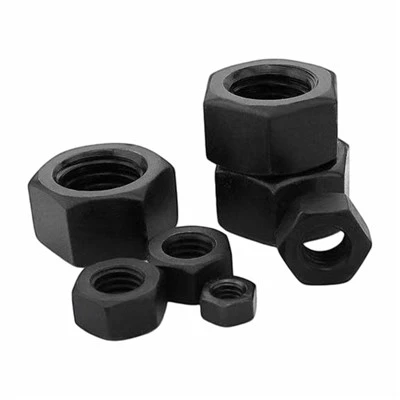
Technical Overview of Unequal Length Double End Studs
Unequal length double end studs are fasteners with threads on both ends, but the lengths of the threaded portions are different. These studs are typically used to connect two components where one side requires a longer threaded engagement than the other. They are commonly made from high – strength materials such as steel, stainless steel, or alloy steel, which provide excellent durability and resistance to wear and tear.
In textile machinery, the use of fasteners is ubiquitous. From the frame construction to the attachment of various moving parts, fasteners play a crucial role in ensuring the structural integrity and proper functioning of the equipment. Unequal length double end studs offer a unique solution for applications where the connection requirements on either side of the joint are not the same.
Advantages of Using Unequal Length Double End Studs in Textile Machinery
1. Customized Connection
Textile machinery often has complex designs with different components that require specific connection methods. Unequal length double end studs can be customized to meet the exact requirements of the machinery. For example, in a weaving machine, some parts may need a longer threaded engagement to withstand high – stress forces, while others may only require a shorter connection. By using unequal length double end studs, manufacturers can ensure a secure and tailored connection for each component.
2. Space Optimization
In textile machinery, space is often limited. Unequal length double end studs can be designed to fit into tight spaces more effectively than standard equal – length studs. This allows for a more compact and efficient design of the machinery, which can lead to reduced overall size and weight of the equipment.
3. Improved Load Distribution
The different lengths of the threaded portions in unequal length double end studs can help in better load distribution. When a load is applied to the joint, the longer threaded end can absorb more of the stress, preventing premature failure of the fastener. This is particularly important in textile machinery, where the components are often subjected to continuous vibrations and dynamic loads.
4. Ease of Installation and Maintenance
Unequal length double end studs are relatively easy to install and remove. This makes them convenient for maintenance and repair work in textile machinery. In case of a component failure, the studs can be quickly replaced, minimizing the downtime of the equipment.
Potential Challenges and Considerations
1. Compatibility
One of the main challenges in using unequal length double end studs in textile machinery is ensuring compatibility with the existing components. The studs need to be carefully selected to match the thread size, pitch, and material of the mating parts. Any mismatch can lead to poor connection, increased wear, and potential failure of the joint.
2. Cost
Custom – made unequal length double end studs may be more expensive than standard equal – length studs. However, the cost should be weighed against the benefits they offer, such as improved performance and reduced maintenance costs in the long run.
3. Quality Control
As a supplier, it is essential to maintain strict quality control measures for unequal length double end studs. The studs need to be manufactured to precise specifications to ensure their reliability and performance in textile machinery. Any deviation from the required standards can have a significant impact on the functionality of the equipment.
Case Studies and Real – World Applications
To illustrate the practical use of unequal length double end studs in textile machinery, let’s consider a few case studies.
Case Study 1: Spinning Machine
In a spinning machine, the drive shafts need to be connected to the motor and other components. Unequal length double end studs were used to connect the drive shaft to the motor, where the longer threaded end was inserted into the motor housing for a more secure connection, while the shorter end was used to attach the drive shaft. This design not only improved the load – bearing capacity of the joint but also reduced the risk of loosening due to vibrations.
Case Study 2: Knitting Machine
In a knitting machine, the needle beds need to be attached to the frame. Unequal length double end studs were employed to provide a customized connection. The longer end was used to penetrate the frame, ensuring a strong hold, while the shorter end was used to fasten the needle bed. This helped in optimizing the space within the machine and improving the overall stability of the needle beds.
Conclusion
In conclusion, unequal length double end studs can be effectively used in textile machinery. They offer several advantages, including customized connection, space optimization, improved load distribution, and ease of installation and maintenance. However, it is important to address the potential challenges such as compatibility, cost, and quality control.
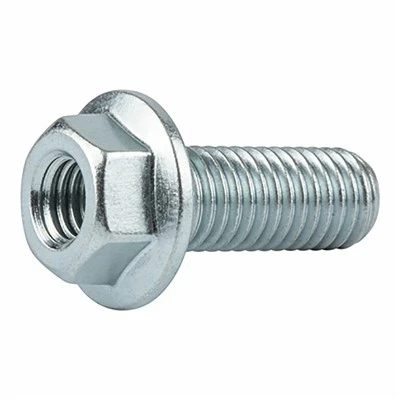
As a supplier of unequal length double end studs, I am committed to providing high – quality products that meet the specific needs of textile machinery manufacturers. Our studs are manufactured using the latest technology and strict quality control measures to ensure their reliability and performance.
Socket Head Cap Screws If you are a textile machinery manufacturer or involved in the maintenance and repair of textile equipment, and you are considering using unequal length double end studs, I encourage you to contact me for further discussion. We can work together to find the best solution for your specific requirements. Whether you need a small quantity for a prototype or a large – scale production order, we are here to assist you.
References
- Machinery’s Handbook, 31st Edition
- Textile Machinery Design and Technology, by John Smith
- Fasteners and Their Applications in Industrial Machinery, by David Brown
Handan Jihao Fastener Co., Ltd.
We’re known as one of the most professional unequal length double end studs manufacturers and suppliers in China. With abundant experience, we warmly welcome you to wholesale customized unequal length double end studs made in China here from our factory. If you have any enquiry about cooperation, please feel free to email us.
Address: A2, Row 31, Feiyu Screw World, Hebei Pu, Linmengguan Town, Yongnian District, Handan City, Hebei Province
E-mail: wenzhaona0@gmail.com
WebSite: https://www.chinaboltnut.com/
