Hey there, fellow printing enthusiasts! As a supplier of screen printing machines, I’ve seen firsthand how different factors can impact the printing process. One crucial element that often doesn’t get enough attention is the viscosity of the ink. Today, I wanna talk about how this seemingly small detail can make a big difference in your screen printing projects. Screen Printing Machine
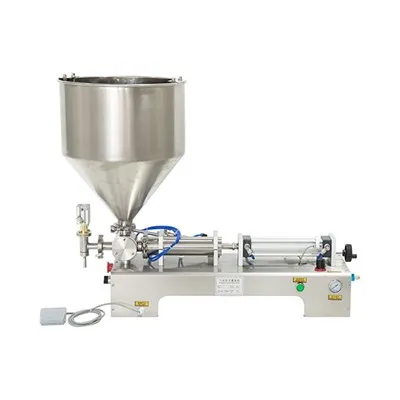
Let’s start with the basics. Viscosity is basically a measure of a fluid’s resistance to flow. In the context of ink, it determines how easily the ink moves through the screen and onto the substrate. Think of it like honey and water. Honey is thick and viscous, so it flows slowly. Water, on the other hand, is thin and has low viscosity, flowing much more quickly. The same concept applies to ink in a screen printing machine.
Now, you might be wondering, "Why does ink viscosity matter in screen printing?" Well, it affects several key aspects of the process, from the quality of the print to the efficiency of the machine.
Print Quality
One of the most obvious ways ink viscosity impacts the printing process is on the quality of the final print. If the ink is too thick, it won’t flow smoothly through the screen. This can lead to uneven coverage, where some areas of the print are darker or lighter than others. You might also notice a build – up of ink on the screen, which can cause clogging. This not only affects the appearance of the print but can also damage the screen over time.
On the flip side, if the ink is too thin, it can bleed through the screen and onto the surrounding areas of the substrate. This results in a blurry and less defined print. For example, if you’re printing a logo with sharp edges, low – viscosity ink might cause those edges to become fuzzy, making the logo look unprofessional.
The ideal viscosity ensures that the ink is transferred evenly from the screen to the substrate, creating a clear, sharp, and consistent print. It allows the ink to fill in all the details of the design without spreading beyond the intended areas.
Ink Transfer
The viscosity of the ink also plays a major role in how well it transfers from the screen to the substrate. When you’re using a screen printing machine, you rely on the squeegee to push the ink through the screen and onto the material. If the ink is too thick, the squeegee has to work harder to force it through the mesh. This can lead to increased wear and tear on the squeegee and the screen, and it might also result in incomplete ink transfer. Some of the ink may get left behind in the screen, not reaching the substrate as intended.
If the ink is too thin, it can be difficult to control. It might run off the squeegee before it has a chance to be pushed through the screen, or it could be absorbed by the screen instead of being transferred to the substrate. The right viscosity allows for smooth and efficient ink transfer, with just the right amount of ink making its way onto the material.
Drying Time
Believe it or not, ink viscosity can even affect the drying time of your prints. Thicker inks tend to take longer to dry because there’s more material to evaporate. This can slow down your production process, especially if you’re working on a large – scale project. You might have to wait longer between prints to allow the ink to dry properly, which can limit your output.
Thinner inks, on the other hand, typically dry more quickly. However, they can also dry too fast, especially if the environment is hot and dry. This can cause the ink to start drying on the screen before it’s fully transferred to the substrate, leading to clogs and uneven prints.
Finding the right balance in viscosity helps you achieve an optimal drying time. The ink dries fast enough to keep your production moving, but not so fast that it causes problems during the printing process.
Machine Performance
Ink viscosity can have a significant impact on the performance of your screen printing machine. As I mentioned earlier, thick ink puts more strain on the squeegee and the screen. This can lead to frequent replacements of these parts, increasing your operating costs. Additionally, if the ink is too thick, it can cause the machine to jam or malfunction, leading to downtime and lost productivity.
On the other hand, thin ink can also cause issues. It might drip or spill inside the machine, causing messes that are difficult to clean up. And if it’s absorbed by the machine’s components, it can damage them over time.
Maintaining the proper ink viscosity ensures that your screen printing machine runs smoothly and efficiently. It reduces the risk of breakdowns and extends the lifespan of your equipment.
Adjusting Ink Viscosity
So, how do you go about getting the right ink viscosity for your screen printing project? Well, there are a few ways. One common method is to use viscosity modifiers. These are additives that you can mix with the ink to either thicken or thin it. You’ll need to do some testing to figure out the right amount to add, as it depends on the type of ink, the substrate, and the specific requirements of your print.
Another way is to adjust the environmental conditions. Temperature and humidity can affect the viscosity of the ink. In general, warmer temperatures will make the ink thinner, while cooler temperatures will make it thicker. You can try to control the temperature and humidity in your printing area to keep the ink at the right consistency.
Conclusion
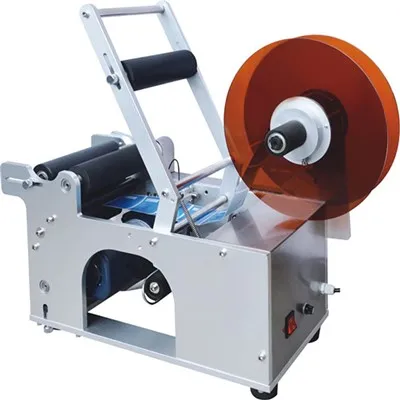
As you can see, the viscosity of the ink is a crucial factor in the screen printing process. It affects everything from the quality of the print to the performance of your machine. By understanding how viscosity works and taking steps to maintain the right consistency, you can ensure that your screen printing projects turn out great every time.
Pad Printing Machine If you’re in the market for a reliable screen printing machine or have any questions about optimizing your printing process, don’t hesitate to reach out. I’m here to help you get the most out of your screen printing endeavors. Whether you’re a small – scale printer or running a large production facility, I’ve got the expertise and the machines to meet your needs. Let’s have a chat and see how we can work together to take your printing to the next level.
References
- "Screen Printing Techniques: A Comprehensive Guide" by Printing Press Inc.
- "Ink Properties and Their Impact on Printing Processes" in Journal of Printing Industry Research
Henan Seveneh Trading Co., Ltd.
As one of the most professional screen printing machine manufacturers and suppliers in China, we’re featured by quality products and good price. Please rest assured to buy advanced screen printing machine made in China here from our factory. We also accept customized orders.
Address: No.102 Wenhui Road, Economic Development Zone, Zhumadian City, Henan Province, China
E-mail: hnseveneh@gmail.com
WebSite: https://www.seveneh.com/
