Stacking Japanese garden stones safely is an art that combines aesthetics with practicality. As a supplier of Japanese garden stones, I’ve witnessed firsthand the transformative power these stones can bring to a garden. In this blog, I’ll share my insights on how to stack these stones safely, ensuring that your garden not only looks beautiful but also remains a safe space for everyone to enjoy. Japanese Garden Stones
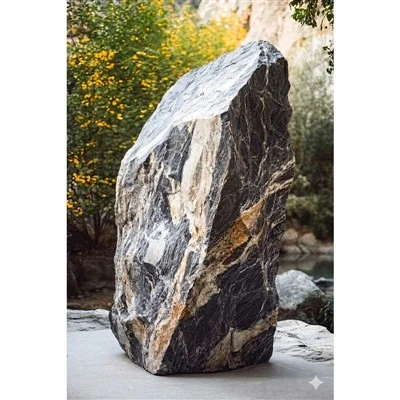
Understanding Japanese Garden Stones
Before we delve into the stacking process, it’s essential to understand the different types of Japanese garden stones and their characteristics. Japanese garden stones come in various shapes, sizes, and textures, each with its unique symbolism and purpose.
- Natural Stones: These stones, such as granite, sandstone, and volcanic rock, are often used in Japanese gardens for their organic beauty and durability. They can be large boulders, small pebbles, or medium-sized stones, depending on the design of the garden.
- Shaped Stones: Some Japanese garden stones are shaped or carved to enhance their aesthetic appeal. These stones may have smooth surfaces, intricate patterns, or symbolic shapes, such as the yin-yang symbol or the lotus flower.
Preparing for Stone Stacking
Proper preparation is crucial for safe and successful stone stacking. Here are some steps to take before you start stacking:
- Choose the Right Location: Select a flat, stable surface for your stone stacking project. Avoid areas prone to flooding, erosion, or high winds. Ensure that the location is also easily accessible so that you can move the stones without difficulty.
- Gather the Necessary Tools: You’ll need a few basic tools for stone stacking, including a shovel, a level, a rubber mallet, and safety gloves. The shovel will help you dig and level the ground, the level will ensure that your stones are stacked evenly, the rubber mallet will help you adjust the position of the stones, and the safety gloves will protect your hands from cuts and bruises.
- Inspect the Stones: Before you start stacking, carefully inspect each stone for cracks, chips, or other damage. Damaged stones may be unstable and could pose a safety hazard. If you find any damaged stones, set them aside and choose other stones for your project.
Safe Stacking Techniques
Once you’ve prepared the location and gathered the necessary tools, it’s time to start stacking the stones. Here are some safe stacking techniques to follow:
- Start with a Solid Foundation: The first step in stone stacking is to create a solid foundation. Use a shovel to dig a shallow pit for the base stone, then fill the pit with gravel or sand to provide a stable surface. Place the base stone on the gravel or sand and use a level to ensure that it is perfectly flat.
- Build Up in Layers: Stack the stones in layers, starting with the largest and heaviest stones at the bottom. This will provide a stable base for the rest of the structure. As you stack the stones, use a level to ensure that each layer is evenly spaced and level.
- Use the Right Technique: When stacking the stones, use the right technique to ensure stability. Place the stones in a way that they interlock with each other, creating a strong and secure structure. Avoid stacking the stones on top of each other in a straight line, as this can make the structure unstable.
- Secure the Stones: To prevent the stones from shifting or falling, use a small amount of mortar or adhesive to secure them together. Apply the mortar or adhesive to the contact points between the stones, then press the stones firmly together. Allow the mortar or adhesive to dry completely before continuing to stack the stones.
- Take Breaks: Stacking stones can be physically demanding, so it’s important to take breaks regularly. This will help prevent fatigue and reduce the risk of injury. If you feel tired or uncomfortable, stop working and rest for a few minutes.
Safety Considerations
Safety should always be your top priority when stacking Japanese garden stones. Here are some safety considerations to keep in mind:
- Wear Protective Gear: Always wear safety gloves, eye protection, and sturdy shoes when stacking stones. This will help protect you from cuts, bruises, and other injuries.
- Work with a Partner: Stacking heavy stones can be dangerous, so it’s a good idea to work with a partner. A partner can help you lift and move the stones safely, and they can also provide assistance if you need it.
- Be Aware of Your Surroundings: When stacking stones, be aware of your surroundings and watch out for any potential hazards. Avoid working near power lines, water sources, or other dangerous areas.
- Follow the Manufacturer’s Instructions: If you’re using mortar or adhesive to secure the stones, follow the manufacturer’s instructions carefully. This will ensure that the mortar or adhesive is used correctly and that the stones are securely fastened together.
Maintenance and Care
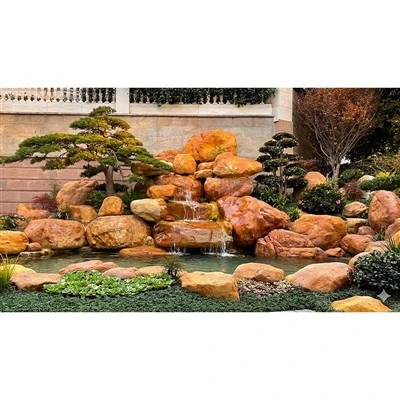
Once you’ve stacked your Japanese garden stones, it’s important to maintain and care for them to ensure their longevity and safety. Here are some tips for maintaining and caring for your stones:
- Clean the Stones Regularly: Use a soft brush or a pressure washer to clean the stones regularly. This will help remove dirt, debris, and other contaminants that can damage the stones over time.
- Inspect the Stones Periodically: Inspect the stones periodically for cracks, chips, or other damage. If you find any damage, repair it immediately to prevent further damage and ensure the safety of the structure.
- Protect the Stones from the Elements: Japanese garden stones are often exposed to the elements, so it’s important to protect them from the sun, rain, and snow. You can use a sealant or a waterproof coating to protect the stones from damage.
- Avoid Overloading the Stones: Do not place heavy objects on top of the stones or use them as a support for other structures. This can cause the stones to crack or break, and it can also pose a safety hazard.
Conclusion
Pond Stones Stacking Japanese garden stones safely is a rewarding experience that can transform your garden into a beautiful and peaceful oasis. By following the tips and techniques outlined in this blog, you can ensure that your stone stacking project is safe, successful, and aesthetically pleasing. Remember to always prioritize safety, work with a partner, and take breaks regularly to prevent fatigue and injury. If you have any questions or need further assistance with your stone stacking project, please feel free to contact me. I’m here to help you create the garden of your dreams.
References
- "The Complete Guide to Japanese Gardens" by Peter Korn
- "Japanese Garden Design" by Thomas J. Oles
- "Gardening with Japanese Stones" by Andrew Juniper
Orin International Trade Co., Ltd.
With abundant experience, we are one of the most professional japanese garden stones manufacturers and suppliers in China. We warmly welcome you to wholesale custom made japanese garden stones from our factory. If you have any enquiry about cooperation, please feel free to email us.
Address: No.3-1, Shangzhongdi Natural Village, Hexian Village, Shuangta Sub-district, Jiangshan City, Quzhou City, Zhejiang Province
E-mail: atlas@orinstone.com
WebSite: https://www.orinstone.com/
