Hey there! I’m in the silo business, and I’m super stoked to spill the beans about what a silo is. You might have seen these tall, cylindrical structures dotting the countryside or industrial areas and wondered what on earth they’re for. Well, stick around, and I’ll break it down for you. Silo
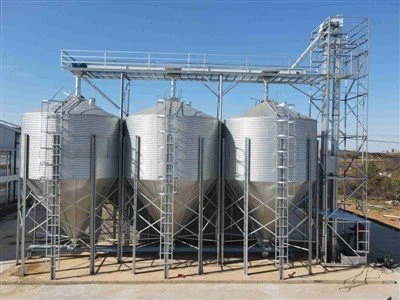
What Exactly is a Silo?
Okay, so a silo is basically a big, upright storage container. Picture a really tall tube standing on end, and that’s your silo in a nutshell. They come in all shapes and sizes, from small ones you might see on a family farm to huge industrial behemoths that reach up into the sky.
The main purpose of a silo is to store stuff. And we’re not just talking about any old stuff. Silos are designed to keep things in good condition for a long time. The key is to create a controlled environment inside so that whatever’s being stored doesn’t spoil, degrade, or get damaged.
Different Types of Silos
There are a few different types of silos, each with its own unique features and uses.
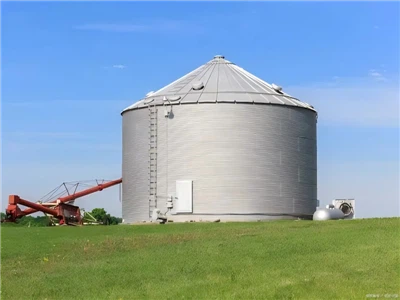
Agricultural Silos: These are the ones you’re probably most familiar with if you’ve ever driven through farm country. They’re used to store grain, like wheat, corn, or soybeans. Agricultural silos help farmers keep their harvest safe from the elements, pests, and diseases. They can be made of concrete, steel, or even wood, depending on the farmer’s needs and budget.
Industrial Silos: These are the big boys. Industrial silos are used in all sorts of industries, from manufacturing to mining. They can store everything from cement and coal to chemicals and food ingredients. Industrial silos are often much larger and more complex than agricultural silos, and they need to be built to strict safety standards.
Concrete Silos: Concrete is a popular material for silos because it’s strong, durable, and resistant to weather and pests. Concrete silos can be precast or cast-in-place, depending on the size and location of the silo. They’re also relatively low-maintenance, which makes them a good choice for long-term storage.
Steel Silos: Steel silos are another common option. They’re lightweight, easy to install, and can be customized to fit your specific needs. Steel silos are also more affordable than concrete silos in many cases, which makes them a popular choice for smaller farms and businesses.
How Silos Work
So, how do silos actually work? Well, it all starts with filling them up. Depending on the type of silo and the material being stored, there are a few different ways to do this.
Grain Augers: For agricultural silos, grain augers are often used to transport the grain from the combine or storage bin into the silo. An auger is basically a long, spiral-shaped screw that rotates inside a tube. As the auger turns, it moves the grain up and into the silo.
Conveyor Belts: Industrial silos often use conveyor belts to move materials into the silo. Conveyor belts are a more efficient way to transport large quantities of material, and they can be customized to fit the specific needs of the industry.
Once the silo is filled, it’s important to keep the material inside in good condition. This is where the controlled environment comes in. Silos are designed to keep out moisture, air, and pests, which can all cause the material to spoil or degrade.
Ventilation Systems: Many silos have ventilation systems that help to circulate air inside the silo. This helps to remove moisture and heat, which can prevent the growth of mold and bacteria.
Temperature and Humidity Sensors: Some silos are equipped with temperature and humidity sensors that allow you to monitor the conditions inside the silo. This can help you to make sure that the material is being stored at the right temperature and humidity levels.
Benefits of Using Silos
There are a lot of benefits to using silos for storage. Here are just a few of them:
Increased Storage Capacity: Silos can hold a lot of material in a relatively small space. This can be especially useful for farmers and businesses that need to store large quantities of grain, cement, or other materials.
Improved Product Quality: By creating a controlled environment inside the silo, you can help to keep the material in good condition for a longer period of time. This can help to improve the quality of the product and reduce waste.
Reduced Labor Costs: Using a silo can help to reduce the amount of labor required to store and handle the material. This can save you time and money in the long run.
Enhanced Safety: Silos are designed to be safe and secure. They can help to prevent accidents and injuries by keeping the material contained and out of reach of people and animals.
As a Silo Supplier
As a silo supplier, I’ve seen firsthand the many benefits that silos can offer. Whether you’re a farmer looking to store your grain or a business looking to store your industrial materials, we have the right silo for you.
We offer a wide range of silos in different sizes and materials to meet your specific needs. Our silos are built to last, and we use only the highest quality materials and construction techniques. We also offer a variety of accessories and options to help you customize your silo and make it work for you.
But it’s not just about the product. We’re also committed to providing excellent customer service. Our team of experts is always on hand to answer your questions, provide you with advice, and help you with the installation and maintenance of your silo. We want to make sure that you’re completely satisfied with your purchase, and we’ll do everything we can to make that happen.
Why You Should Contact Us
If you’re in the market for a silo, I encourage you to contact us. We’d love to talk to you about your needs and help you find the right silo for your situation. Whether you’re a first-time buyer or you’re looking to replace an old silo, we can help.
We offer competitive pricing, and we’re always willing to work with you to find a solution that fits your budget. We also offer financing options to make it easier for you to purchase the silo you need.
Silo So, what are you waiting for? Contact us today to learn more about our silos and how we can help you. We look forward to hearing from you!
References
- "Silos: Types, Uses, and Benefits" – Agricultural Extension Service
- "Industrial Silos: Design and Construction" – Engineering Journal
- "Concrete vs. Steel Silos: Which is Right for You?" – Farm Equipment Magazine
Henan Oumu Intelligent Storage Equipment Co., Ltd.
As one of the most professional silo manufacturers and suppliers in China, we’re featured by quality products and good service. Please rest assured to buy customized silo made in China here from our factory. For quotation, contact us now.
Address: No. 681, Xinzhong Avenue, Hongqi District, Xinxiang City, Henan Province
E-mail: luna@oumu-silo.com
WebSite: https://www.oumu-silo.com/
